


We manage water to power Tasmania
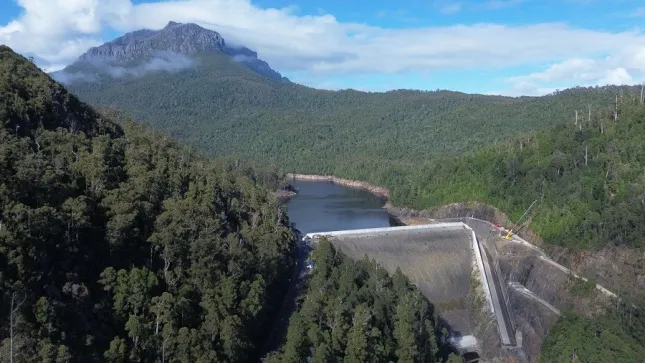
A dam is a structure built across a river or creek, controlling the flow of water.
There are many different dam designs and materials. These are carefully selected to suit the site and to stay safe and strong for a very long time.
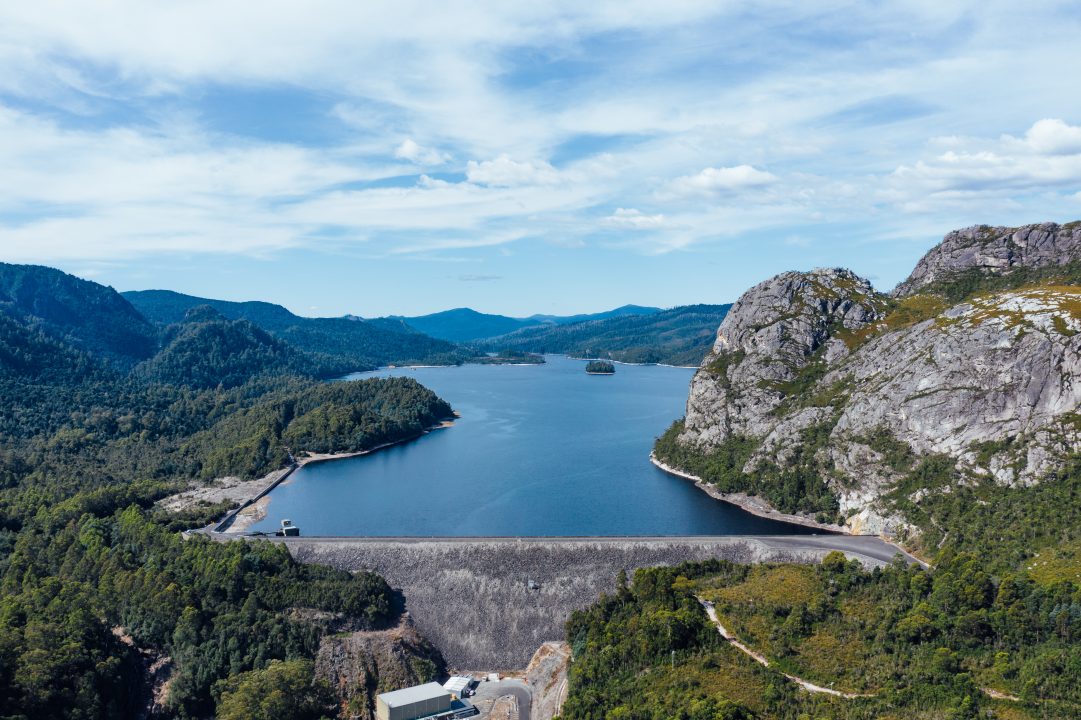
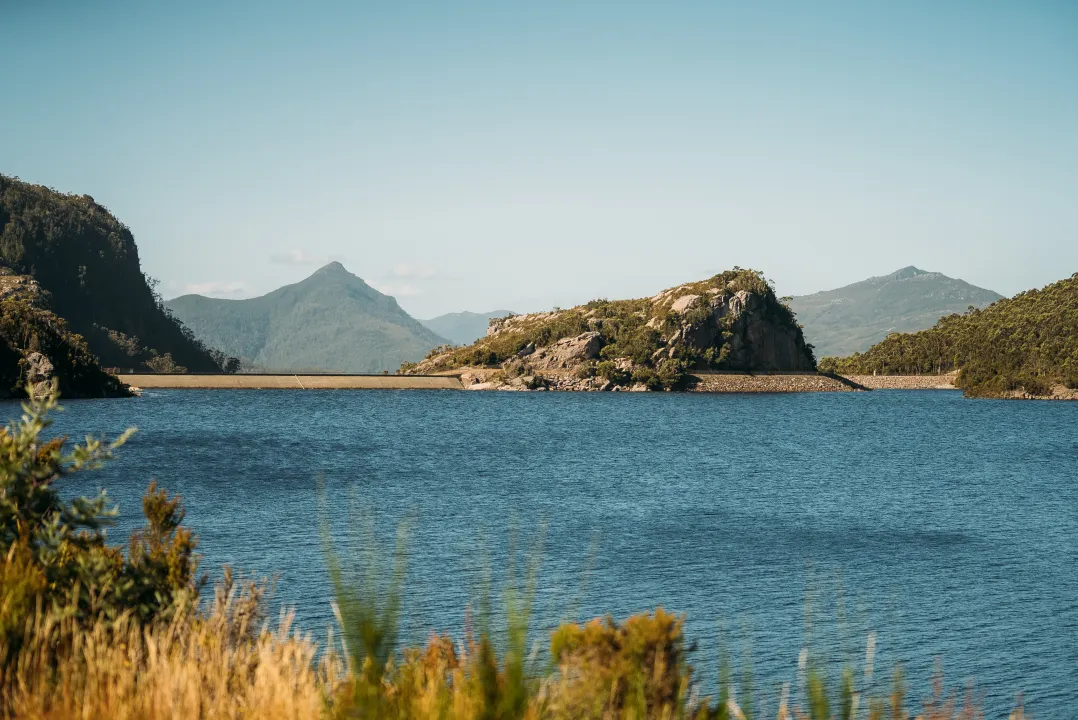
Our dams are made of earthfill, rockfill and concrete in styles including embankment, concrete gravity, concrete-faced rockfill, gravity arch, thin arch, bitumen-faced rockfill and more.
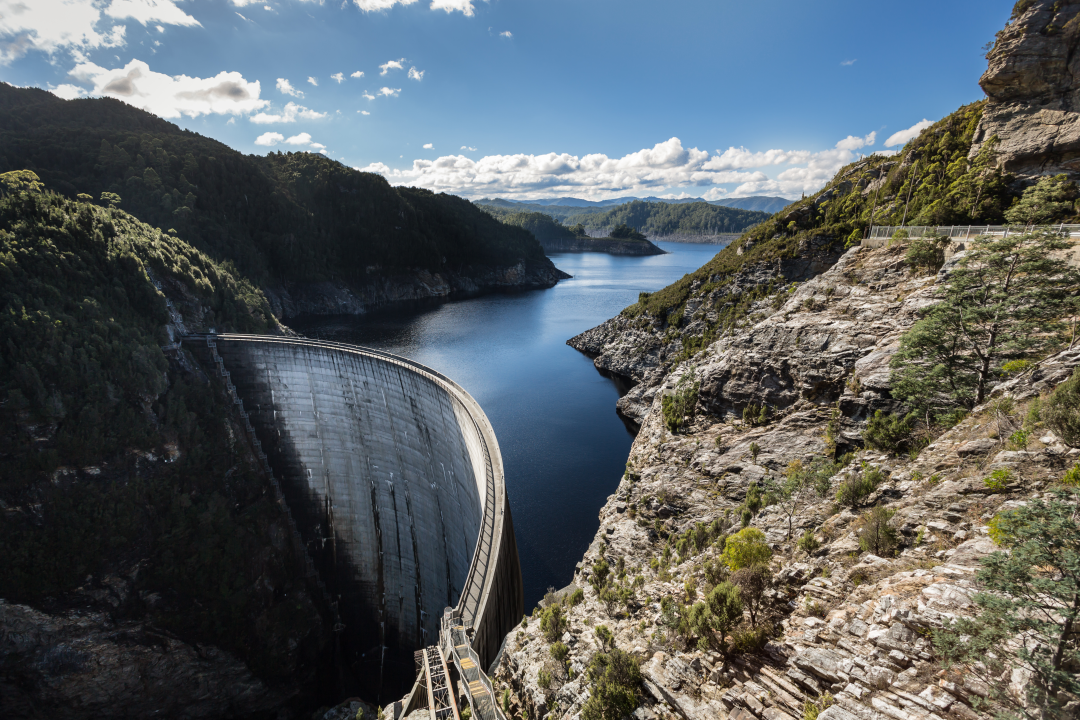
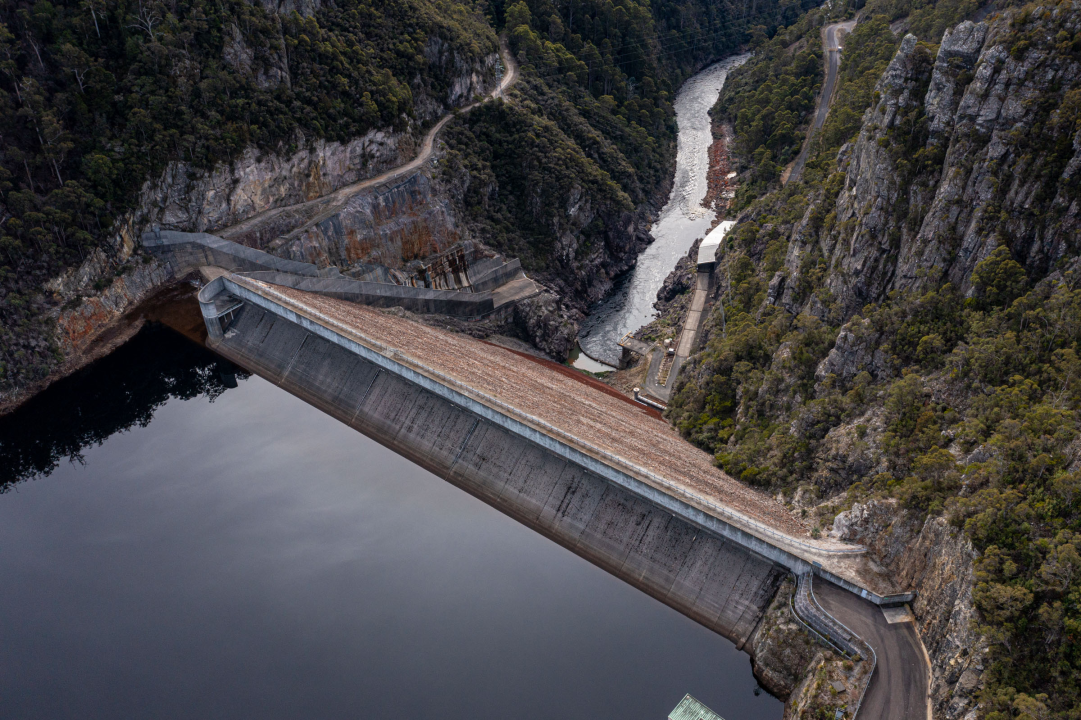
Our largest and most famous dam is Gordon Dam: a double-curvature concrete arch dam completed in 1974. At 192 meters long and 140 meters high, it’s spectacular, and it’s one of the tallest dams in Australia.
Dams can stand strong for generations – even centuries! They’re designed to withstand extreme events, even the kinds of events that could damage roads, drains and bridges.
How do dams cope with heavy rain and floods?
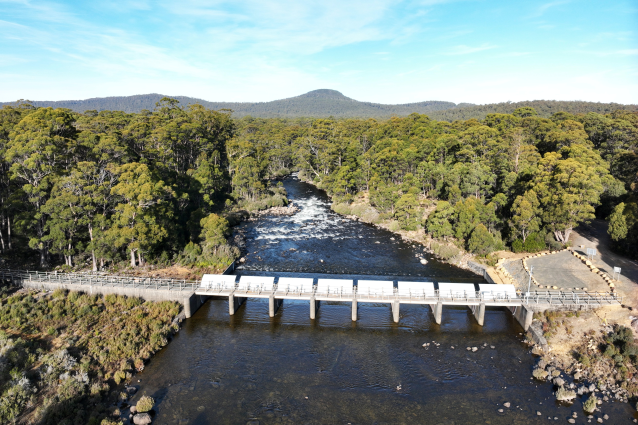
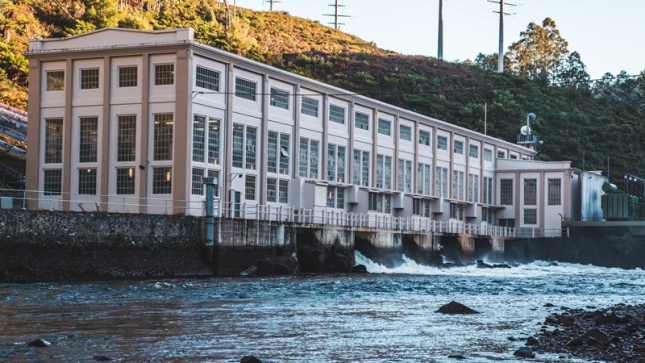
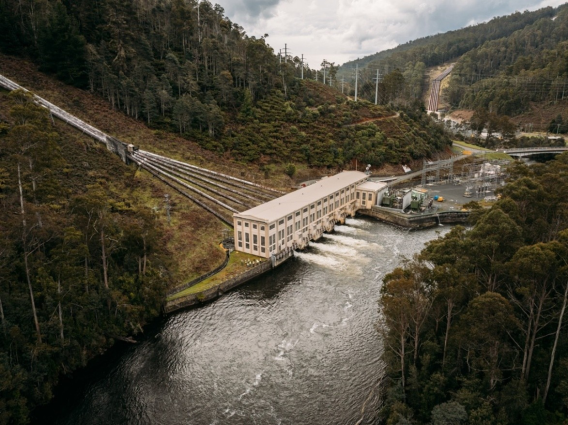
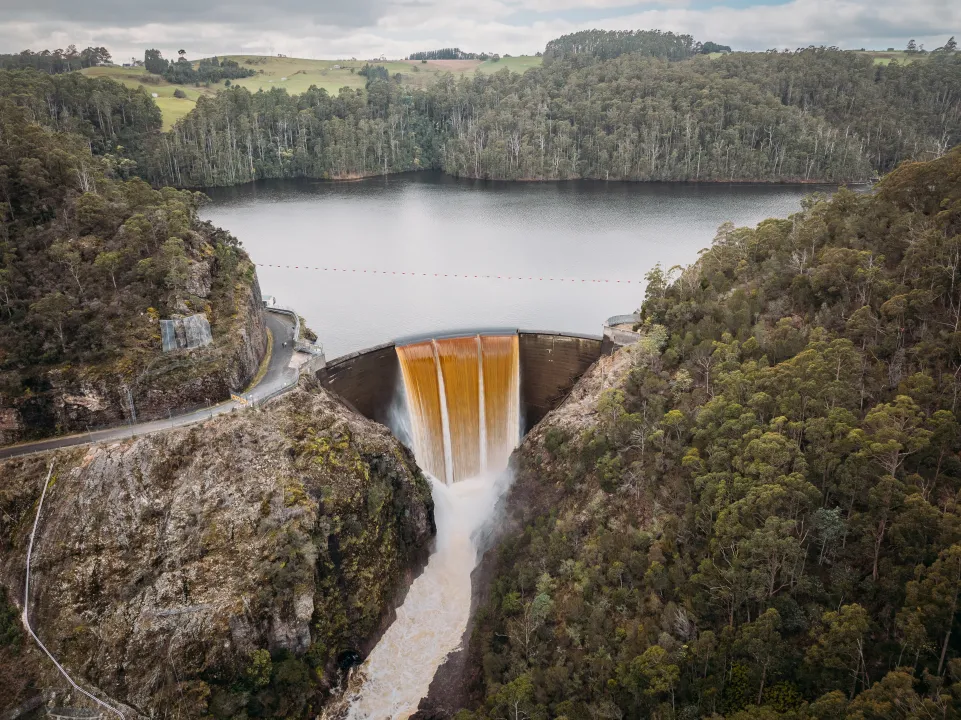
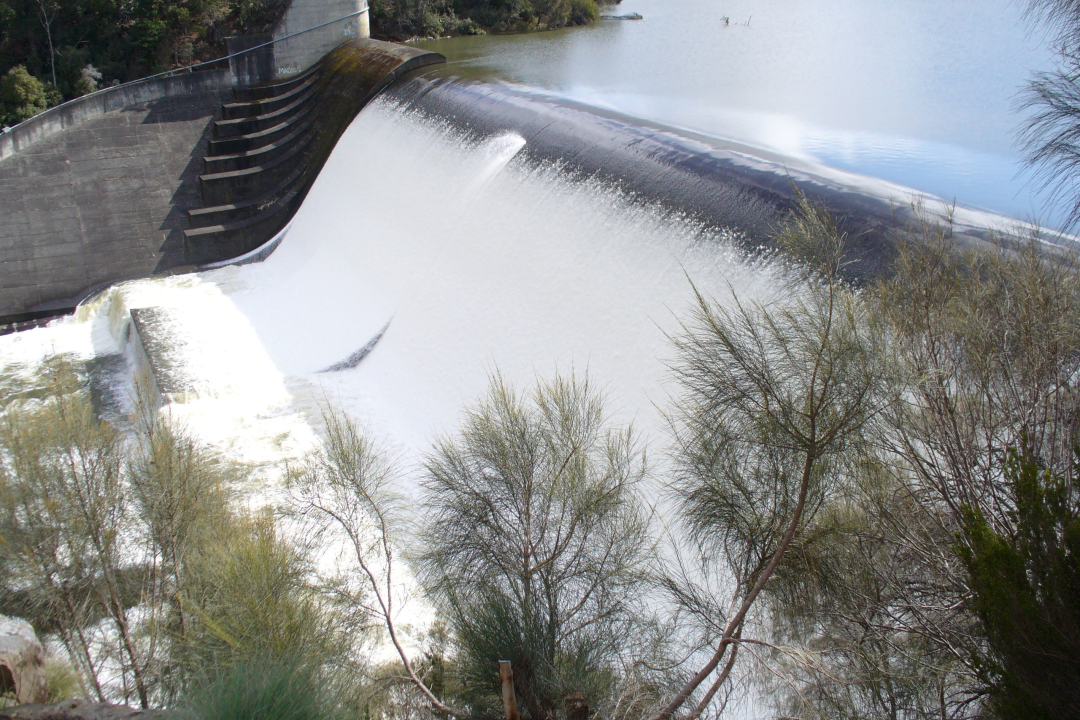
In a ‘run-of-river’ hydropower scheme – like our Mersey-Forth scheme in the North West – water flows continuously through our power stations or over the spillways. The water storages behind the dams are typically small and aren’t designed to hold floodwaters. They don’t increase the risk of flooding downstream.
Find out more about ‘spill’ and what it means for our lakes and dams.
Our dam safety program
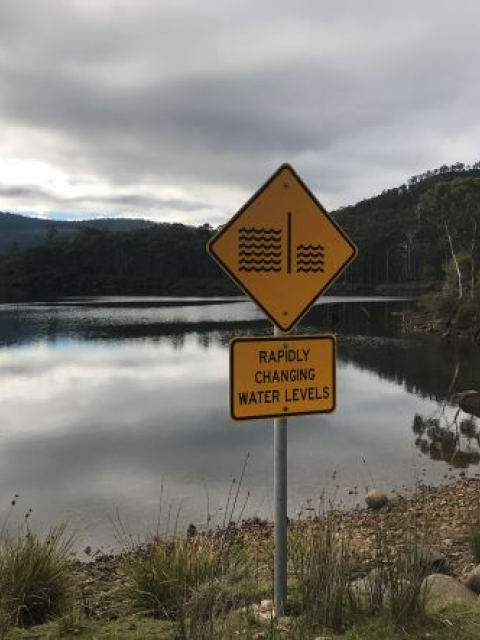
Our dam safety program brings sound engineering principles and experiences together with a philosophy of precaution. It's about making sure that our dams are designed, constructed, operated, maintained and monitored so that they do not put people, property or the environment at undue risk. We also take a long-term perspective, keeping our dam assets sustainable and fit to serve future generations of Tasmanians.
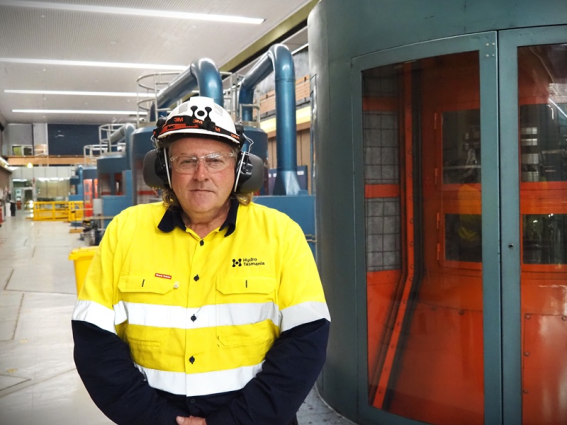
We thoroughly inspect our dams on a structured schedule but we’re also keeping a close eye on them all the time. We use precision equipment to continually monitor how our dams are behaving. This technology detects and alerts us to any unexpected changes. Our field staff check that all the equipment is working as it should and respond quickly to investigate any issues. All our large dams have detailed, documented dam safety emergency plans which we regularly review and update
When we talk about dam risk, we mean the combination of the likelihood of an event and the significance of its consequences. To assess dam safety risks, we use data from real events and from modelled scenarios, combined with expert judgement. Our dam specialists draw on many decades of data, knowledge and experience from Tasmania, the mainland and around the world.
Our dam safety program complies with the Tasmanian Water Management Act 1999 and the Water Management (Safety of Dams) Regulations 2015. We are also an active member of the Australian National Committee on Large Dams (ANCOLD).
Maintaining and upgrading our dams
We prioritise actions across our portfolio of dams to make sure we’re always working on the most important things first. Every action is designed to keep our communities, environment and assets safer by bringing risk as low as reasonably possible.
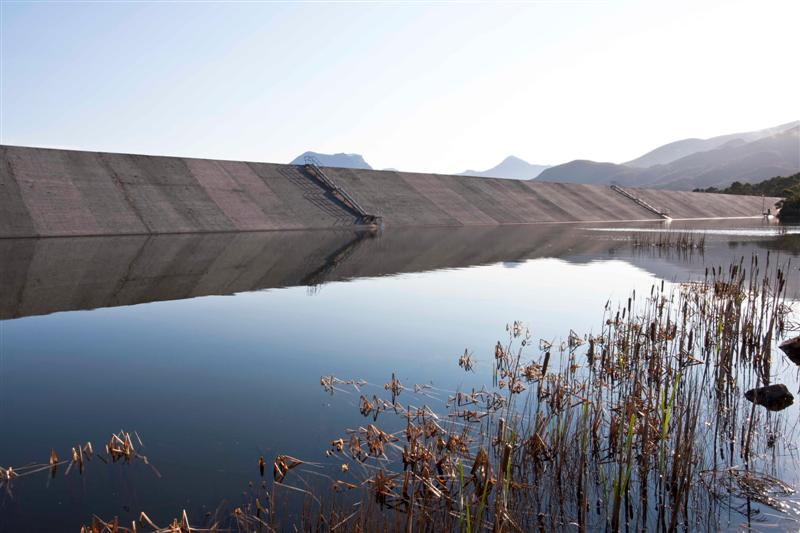
What's happening at Edgar Dam?
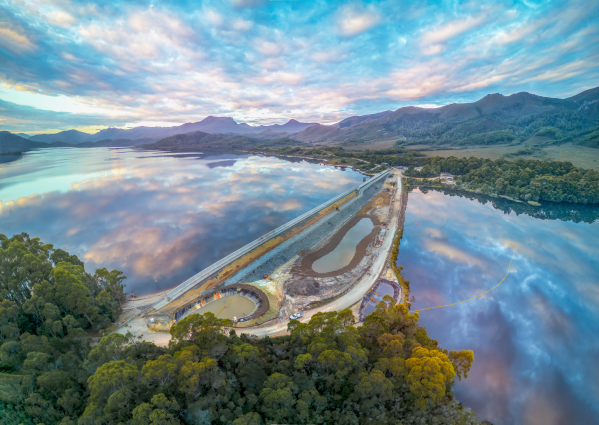
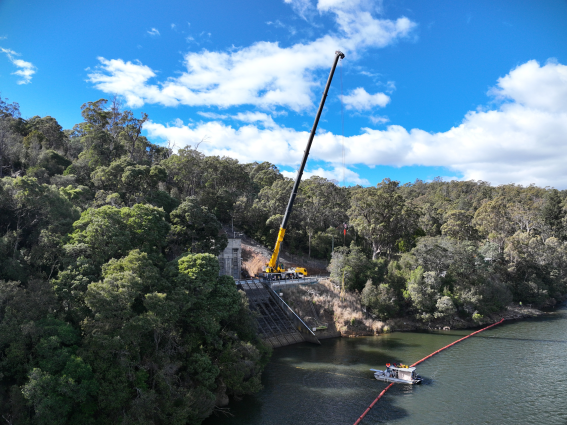
Edgar Dam was built in 1972. We're strengthening it to improve its resilience and to keep our communities safe.