

Tarraleah redevelopment
Bree, Don & Gina
P: 0457 237 453
E: projectengagement@hydro.com.au

Project updates
Project milestones
Reimagining Tarraleah's future
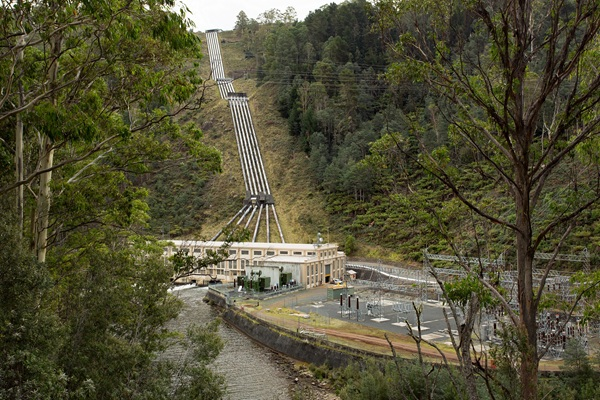
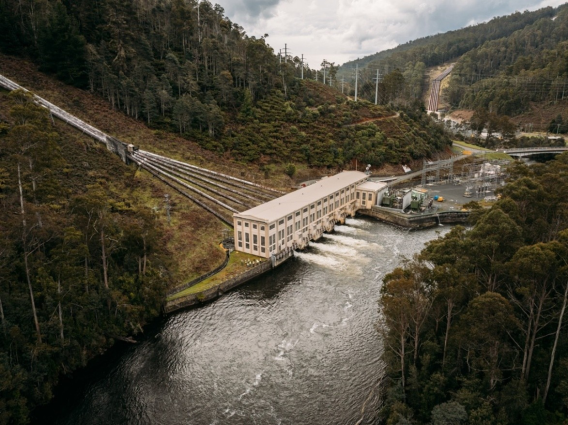
Tarraleah is one of our oldest and most recognisable assets. With more than eight decades faithfully producing clean, reliable energy for Tasmania, the scheme is reaching the end of its operational life.
We’re reimagining its future and proposing a full redevelopment to increase capacity and flexibility and deliver more energy for Tasmania.
During April and May, our Environmental Impact Statement (EIS) for the Project was on public exhibition. The EIS explains how the project could affect the environment, people and nearby communities, and how impacts will be managed. Also on exhibition was the Development Application (DA), which describes the project, where it will be built, and seeks approval from Central Highlands Council.
Public comment is now closed. From here, the EIS and DA (and any public comments received) will be reviewed. Council will decide on Project approval in the coming months.
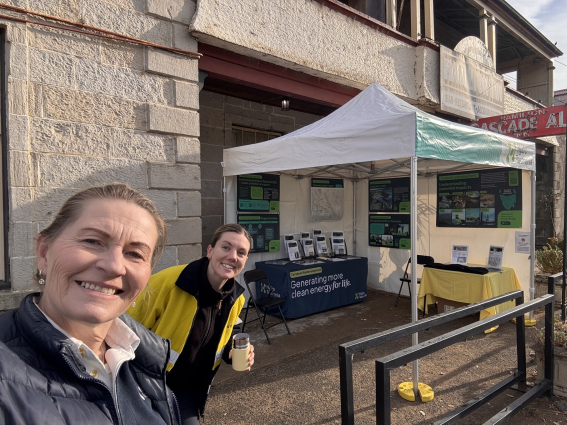
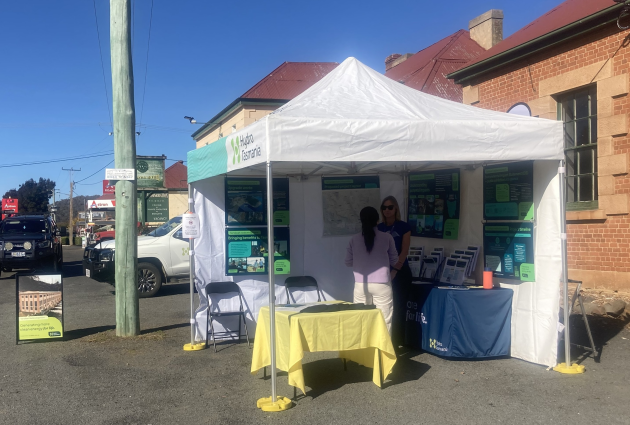
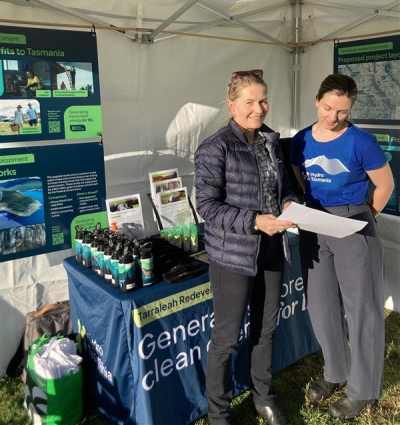
Thank you to everyone who attended a community drop-in and shared their views and questions about Tarraleah’s future!
Project overview
Here’s a quick look at what’s proposed:
- Building a new, higher capacity power station to replace the existing station
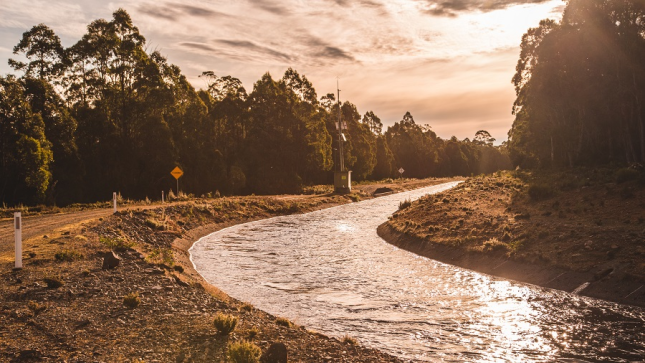
- Replacing the old existing canals and penstocks with a new pressurised pipeline and tunnels to carry water
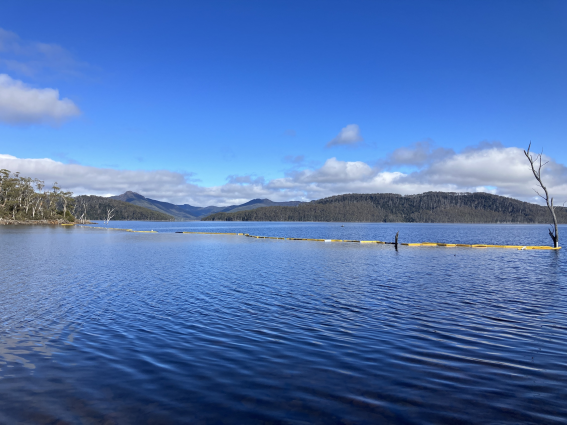
- Connecting the new pipeline to a new water intake being constructed at Lake King William
- New transmission infrastructure
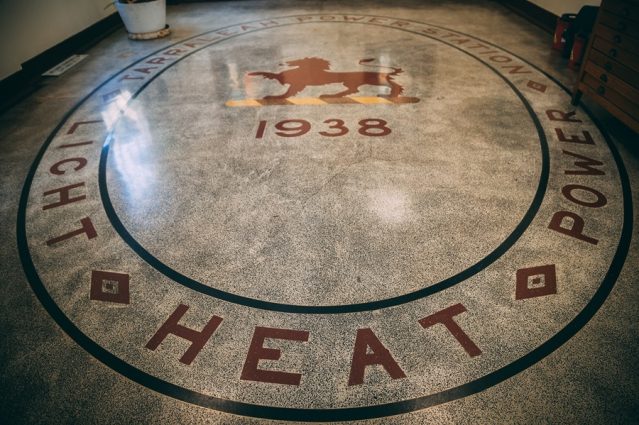
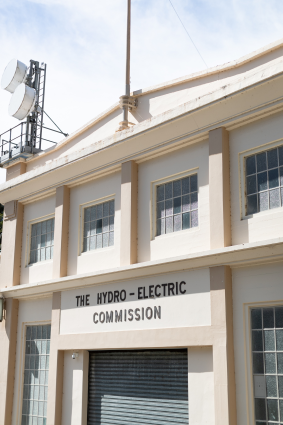
- Retaining the historic power station in its original location.
The map below shows the proposed project layout and where major infrastructure would be built. To make the diagram larger, just right click and select 'open in a new tab".
I'm interested in
Traffic on the Lyell Highway
Area of interest: impact of construction traffic.
Construction will generate additional traffic movements on the Lyell Highway and short delays. A Traffic Impact Assessment is underway to quantify potential impacts on the road network and identify how impacts can be managed.
Wildlife
Area of interest: potential increase in risks to wildlife due to increased traffic movements.
This was identified as a potential impact as part of our studies and we will adopt measures to minimise impacts on all wildlife through our environmental mitigation strategies.
Access to lakes for recreation
Area of interest: impact on water-based recreation activities.
There will be no change to existing public access to lakes in the Tarraleah scheme for activities such as fishing and boating. For safety and operational needs, a new exclusion zone will be created around the new Lake King William intake.
Storage levels and river flows
Area of interest: potential impacts on the Derwent River and lake storage levels.
We’ve done extensive water modelling, including modelling of River Derwent flows and water levels of scheme storages. The existing operational range of storages will not change. Hydro Tasmania is investigating flow releases below Clark Dam, to maintain downstream environmental values.
Cultural heritage
Area of interest: respecting and listening to Tasmanian Aboriginal communities.
We are very interested in acknowledging and respecting the cultural heritage values and connections of First Nations peoples to the area. We are working to develop culturally sensitive ways of listening to, working with First Nations peoples, and planning for outcomes in this important area.
World Heritage values
Area of interest: potential impacts on the Tasmanian Wilderness World Heritage Area (TWWHA).
A range of studies has shown the project won’t significantly impact the natural and cultural heritage values of the TWWHA. We’ve done a visual impact assessment to look at how infrastructure (such as the surge tower) will sit in the landscape and how the construction footprint may be viewed from the TWWHA. Overall, the visual impact is considered low.
Historic values
Area of interest: history of the scheme and what is planned for the original Tarraleah assets.
Working closely with Heritage Tasmania, the community and stakeholders, we’re looking into how heritage buildings and assets might be re-used in future to ensure heritage values are protected and preparing a decommissioning plan for infrastructure no longer required.
Benefits sharing
Area of interest: building economic, social and environmental resilience.
We’re committed to ensuring local communities and businesses can benefit from the project. Social procurement and local content requirements are being developed and we’re working with community, business and government stakeholders to identify initiatives that could provide economic, social and environmental benefits. We encourage you to get involved!
Workforce accommodation
Area of interest: future use of Tarraleah village and accommodation for the construction workforce.
We recently purchased the village and it will remain open to the public until its full capacity is needed for the construction workforce, alongside new accommodation. During construction, there will be changes in access in and around the village.
Construction and maintenance works are still underway on the Tarraleah Scheme.
To ensure public safety, Butlers Gorge Road (from the Lyell Highway turnoff) will be closed 24/7 to mid-July. Mossy Marsh Dam, Clark Dam, the lookout, boat ramp and campground won’t be accessible during this period.
Business opportunities
We know that our projects can provide opportunities for suitably qualified and experienced suppliers, contractors, subcontractors, consultants and other service providers. This may either be directly or indirectly.
We are committed to ensuring Tasmanian and First Nations participation. Utilising the Industry Capability Network (ICN) Tasmania is a central part of our approach to achieve this.
We’ll also have targets for local content, participation and skills and training development when we get to the construction contract stage.
At this early stage in the procurement process, we are encouraging businesses to register with the Industry Capability Network (ICN) Tasmania and set up a company profile, to be ready for future opportunities on our major projects
Head here to register. The basic package is free! https://icn.org.au/icn-tas
Head here to visit the Tarraleah project page: https://gateway.icn.org.au/projects/17494
Ask a question