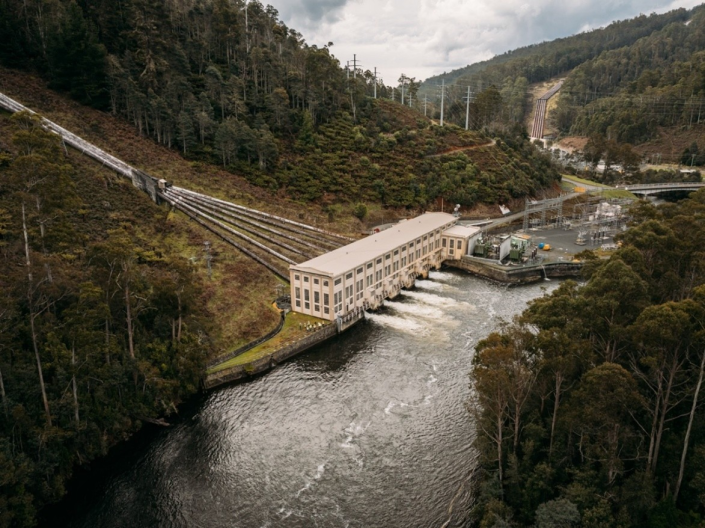



Tarraleah: where community and energy collide
Beyond its turbines and penstocks, Tarraleah is a story of families who carved life out of wilderness. The tent camps gave way to a thriving village, built by the Hydro-Electric Commission (or the Hydro) to house workers, many post-WWII migrants from Europe who brought strength, determination, and warmth to this remote place.
In 1934, the Tasmanian Government approved the Nive River Scheme with headquarters at Tarraleah. The first task was to build a road, starting at the West Coast road through to the site of camp at Tarraleah. This started in July 1934 and was completed by November of the same year, by which time there were 60 workers on site, surveying a route for the canal.
Camps were springing up along the route of the canal, from No. 1 camp through to No. 7, which was built on the site which would later become Butlers Gorge. There was also “Ticklebelly Flats”, the affectionate name given to the married-quarters at No. 2 camp. It speaks of the camaraderie and cheeky humour that held the community together in isolation, shared over home-cooked meals.
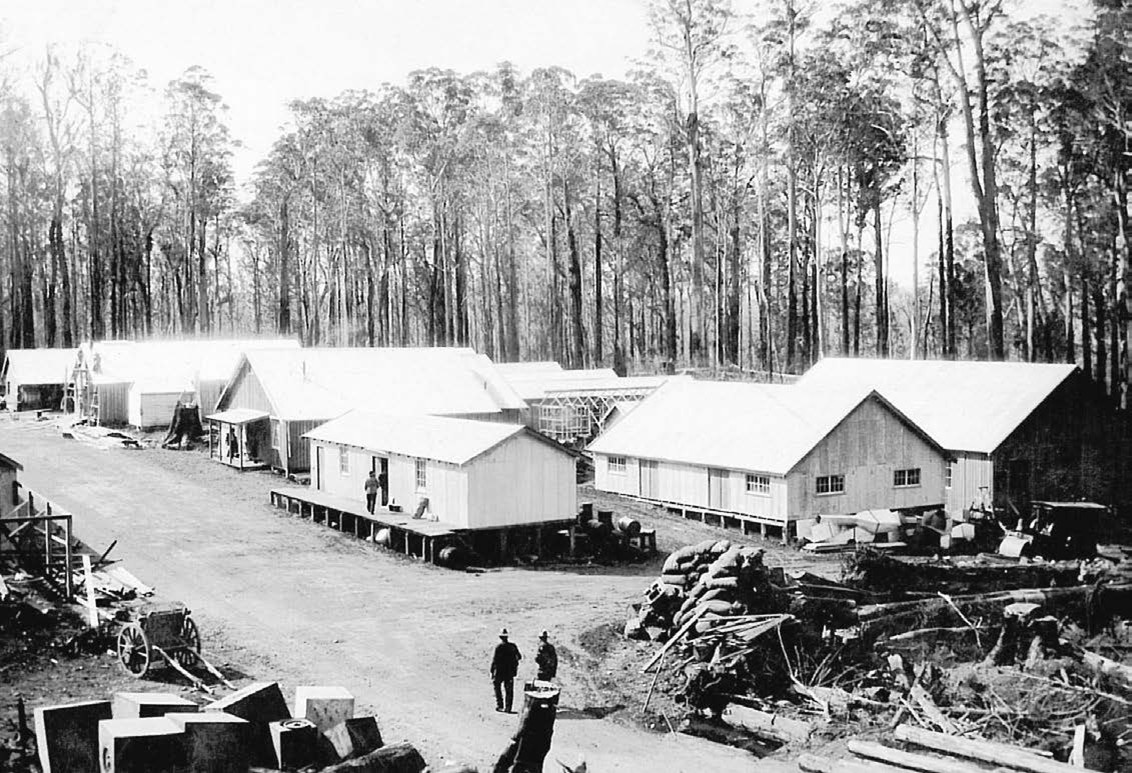
Published in Ticklebelly Tales by Heather Fenton: The construction headquarters for the Tarraleah scheme were at Camp Number 1.
Within a few short years, a full village sprang up: homes with warm fires, a grand “Chalet” lodge for visiting engineers, a school, post office, shops, halls, sporting fields, even churches. Every comfort for families who called the heights home. The lovingly built Lodge, with its Art Deco charm, symbolises the care taken to make Tarraleah feel less remote.
Throughout the period of construction, Tarraleah was home to thousands. Parents sending children to the local school, neighbours gathering at the hall for dances, workers building penstocks in the soft alpine light. And of course, wheel-barrow races, three-legged races, and tug-of-war on Saturdays.
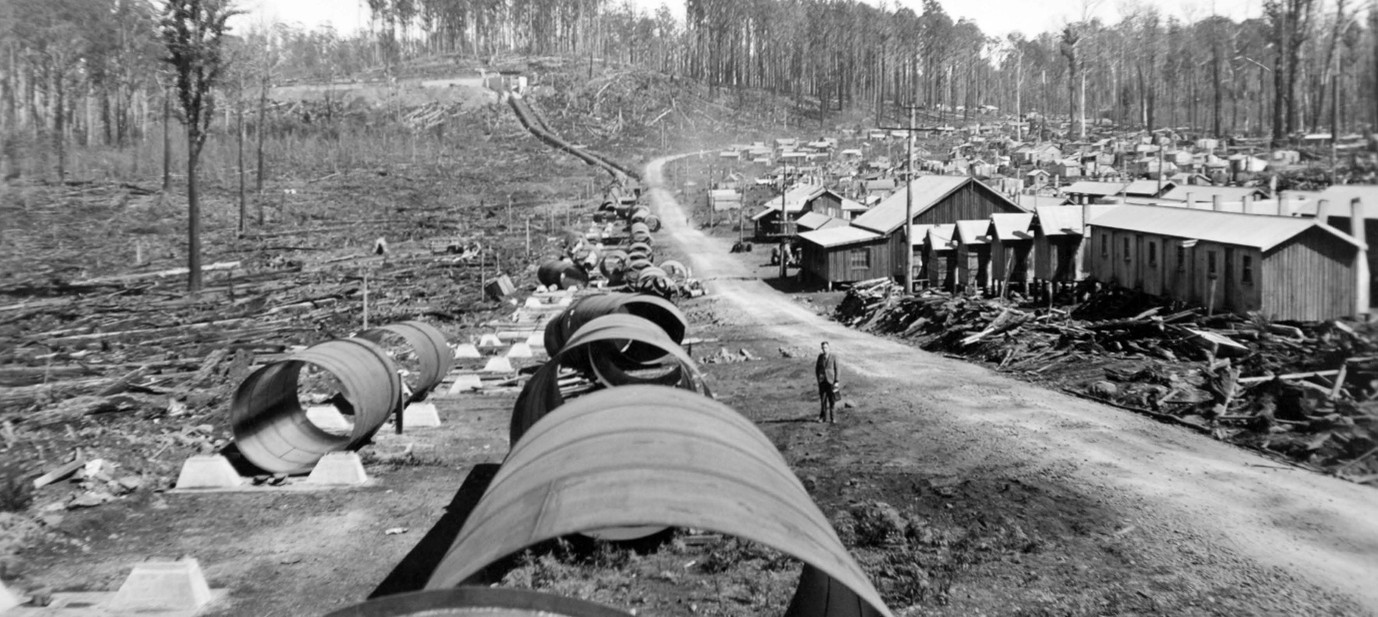
Published in Ticklebelly Tales: Progress on the pipeline by mid-1937. The individual pipes were delivered by steam traction engines and placed ready to be manoeuvred onto the concrete supports. Camp Number 2 is on the right with Ticklebelly Flat in the distance.
Power with purpose
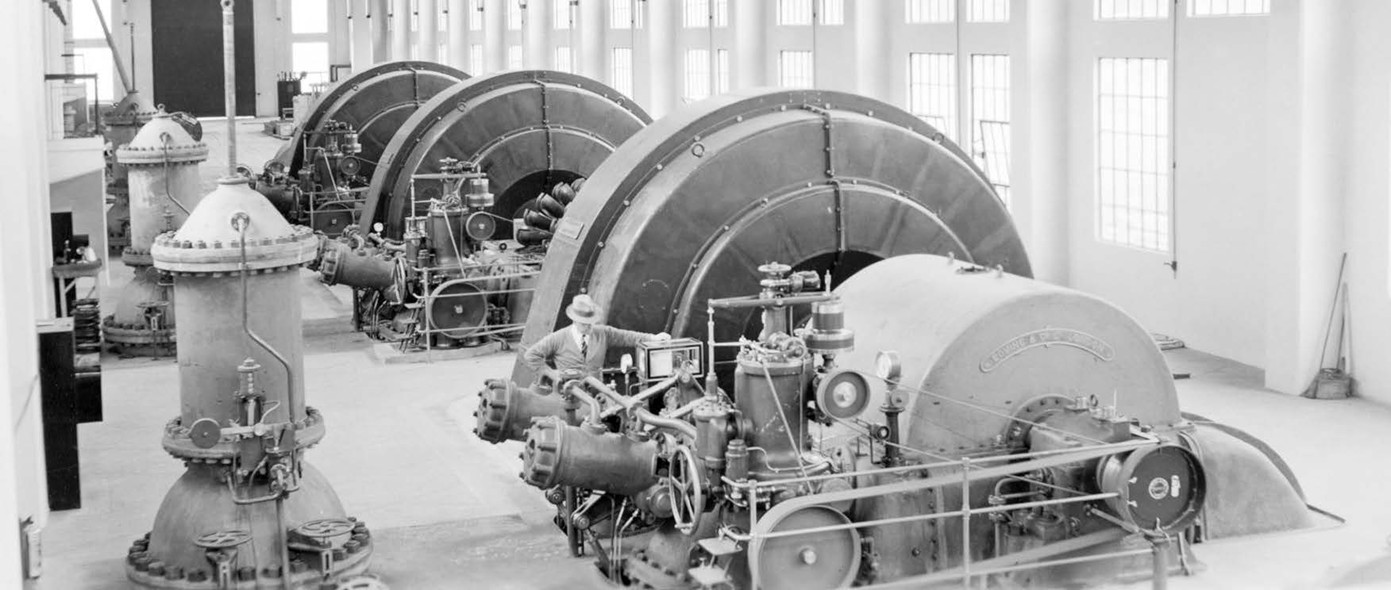
Today, the power station still hums with purpose. As part of the iconic hydropower scheme, it helps generates 7.3% of Tasmania’s annual energy needs, enough to light thousands of homes. The scheme remains a cornerstone in our island’s renewable energy legacy. Penstock pipes still gleam as reminders of ambition and ingenuity in a rugged landscape.
Much of the old village faded in the late 20th century: houses were relocated, the school and post office closed, and life moved on. Still, the spirit lingers in the restored cottages, at the Lodge that welcomes visitors, and most especially, in the stories carried on by descendants and locals.
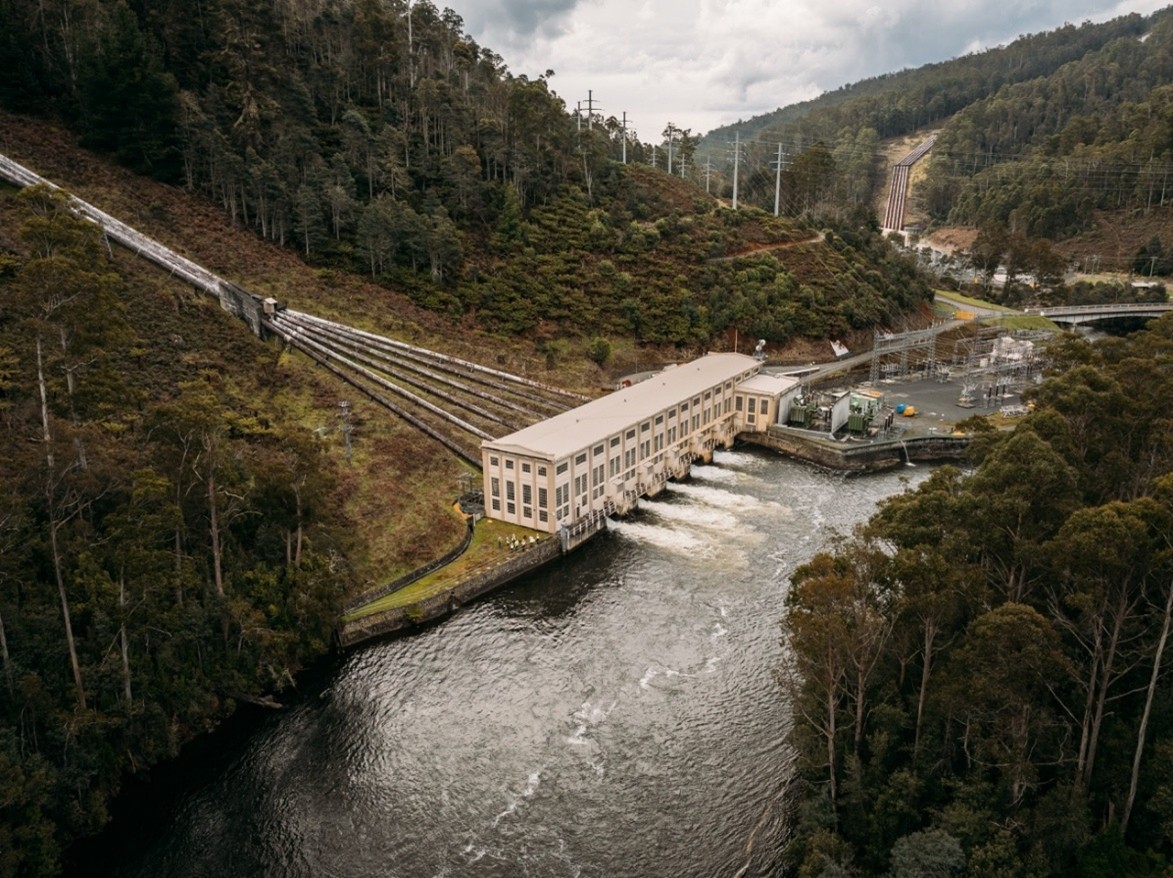
The iconic Tarraleah Power Station, with Tungatinah Power Station and penstocks in the background.
In every drop of water through the turbines, you can feel the heart of the community that made this place possible. Tarraleah is not just a power station, but a living memory of pioneers, families, and the shared beat of Tasmania’s pulsing hydro-electric story!
Rethinking the future for an ageing asset
After more than eight decades of faithful service, Tarraleah is nearing the end of its operational life. It remains a much loved asset but its age is creating issues and risks that we need to manage. And while it was cutting edge technology in the 1930s, the rapid change in the energy market means that Tarraleah hasn’t keep pace.
It takes several hours for water to travel the many, many kilometres down an intricate network of canals, flumes and pipes. That means we can’t quickly turn the station on (or off). This inflexibility in operations means it is not well suited to a modern energy market where demand changes every 5 minutes.
We are looking to breathe new life into Tarraleah through a proposed full redevelopment. This new era of hydropower would double Tarraleah’s generating capacity - creating more power from the same amount of water - and bring much needed flexibility to dispatch energy quickly (or shut off operations at the flick of a switch).
There’s still plenty of work ahead to secure the right approvals and complete the commercial analysis to make sure the proposal continues to stack up and delivers real benefits for Tasmania. Our team is actively progressing this work and focusing on the details that matter.
At the same time, we’ve already completed upgrades that create flexibility for the future, including supporting a potential redevelopment if a positive final investment decision is made. At Lake King William, local crews have been hard at work building a new water intake and a short connecting tunnel, backed by up to $65 million in Federal Government grant funding.
To learn more about our new energy future, visit https://www.hydro.com.au/projects/tarraleah