Conservation
Conservation, research and environmental management
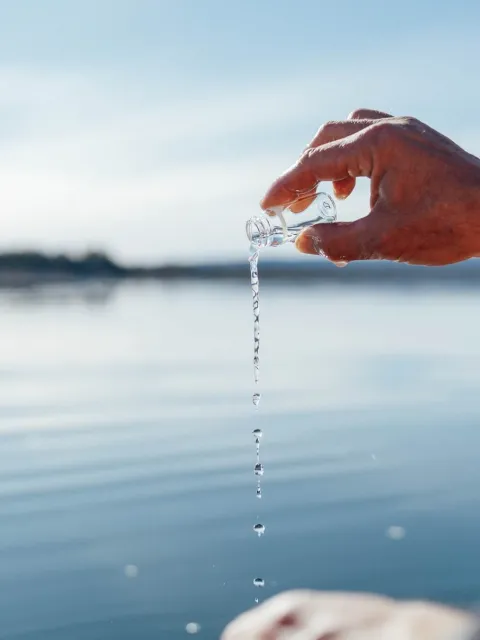
Our environmental scientists and specialist water scientists work hard to understand how our hydropower operations could affect our rivers, lakes and catchments and the species that rely on them. When we understand these flows and species, we can minimise our impacts and help biodiversity thrive.
We go beyond compliance and conservation by operating in a way that actively restores the environment too. We’re proud that our environmental management system is accredited with the internationally recognised standard ISO 14001.
Protecting threatened galaxiid fish species
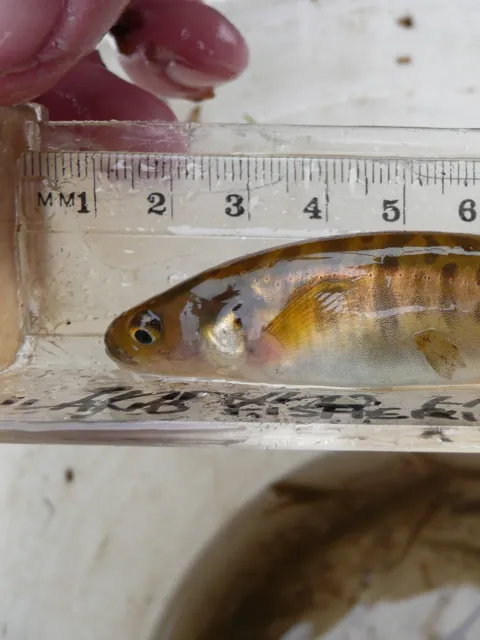
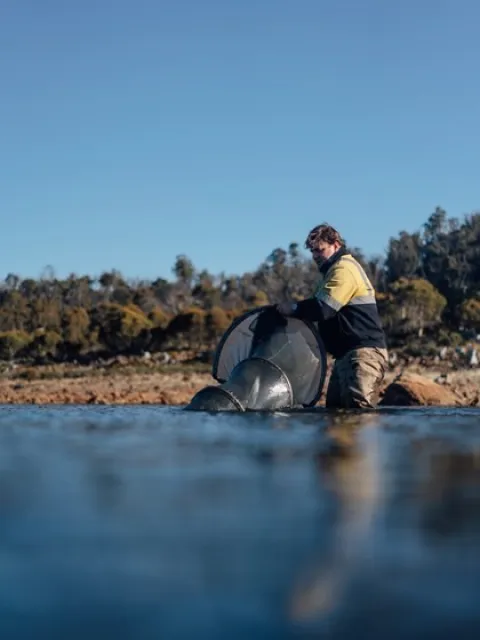
Tasmania’s Central Highland lakes contain 5 threatened galaxiid fish species. We fund and conduct research into how these fish grow and reproduce, where and when they spawn, and the habitats they need to survive. This information helps us manage water levels to protect important habitat.
Understanding more about Macquarie Harbour and the Maugean Skate
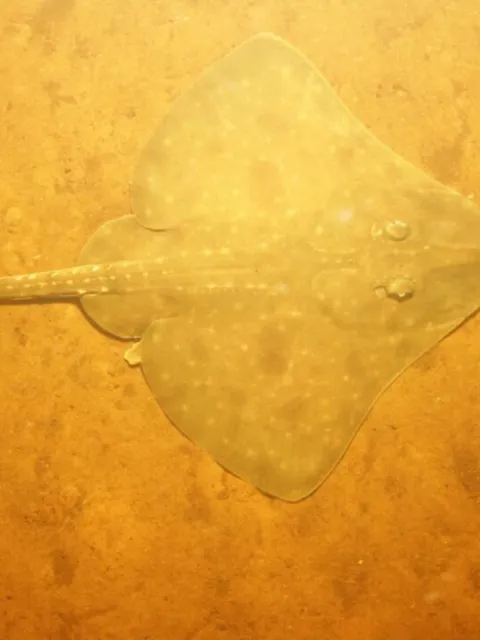
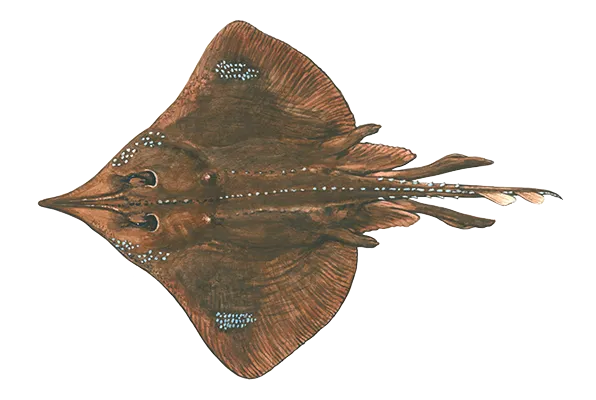
We are working with the National Maugean Skate Recovery Team and CSIRO on a model of Macquarie Harbour to better understand whether our operations have any impact on dissolved oxygen levels in the harbour. This will help us take whatever we action we can to support a healthy environment for the threatened Maugean Skate.
Monitoring and regenerating plants and habitats
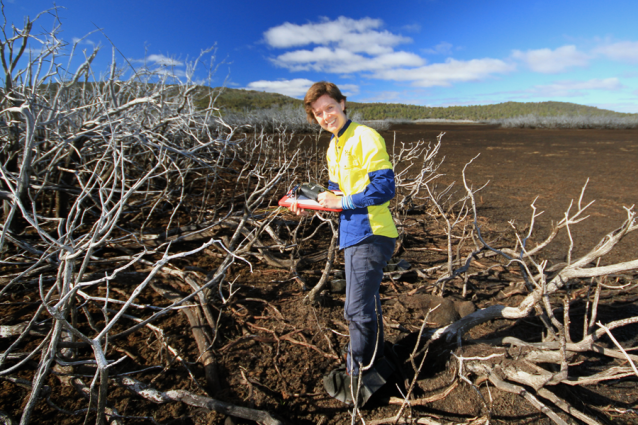
Hydro Tasmania’s lakes and rivers are home to native plants – under the water and on land. Some are threatened. Our scientists observe and map the places where we find threatened plants or weeds, so that we can protect what’s precious. We also regenerate places where the natural environment has been damaged in the past.
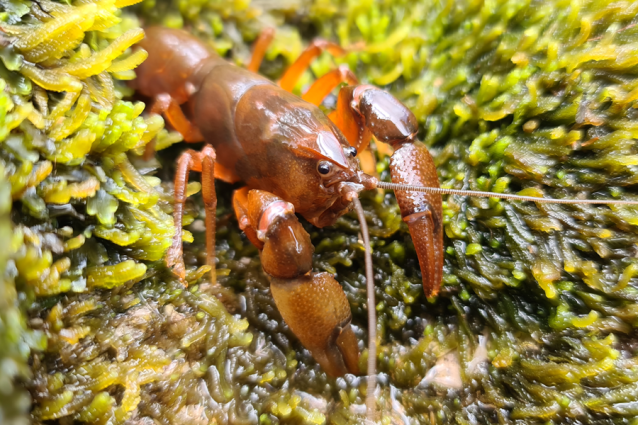
We’re delighted when our scientists rediscover species that were thought to be extinct, such as the short-tailed rain crayfish and an aquatic snail species. And now, after our work on rehabilitating wetlands at Lagoon of Islands, we’ve also heard the call of the elusive, threatened Australian bittern (‘Bunyip bird’) that hasn’t been seen in 40 years.
Helping fish migrate safely
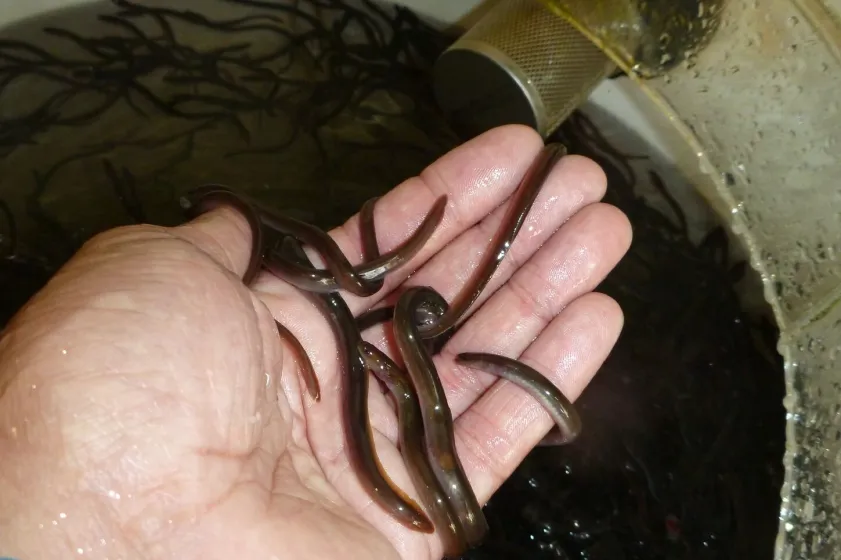
Some fish need to migrate between fresh and marine waters to complete their life cycle. We don’t want our dams to block these journeys, so we’ve taken actions like building a world-first eel bypass to help thousands of eels migrate safely each year.
Sustainability reviews across our catchments
To help keep Tasmania’s precious water resources healthy and available for future generations, we systematically review the state of our 6 major water catchments. Once we’ve assessed their condition and talked with stakeholders, we commit to actions that strengthen the environment and communities.