

Derwent
For more than a century, our power stations have electrified Tasmania. We’re working to generate clean, reliable electricity today and for generations to come.
Butlers Gorge Power Station
The power station is supplied by the water stored at Lake King William. Water then flows to Tarraleah Power Station.
1951
12.7 MW
1
Francis hydropower
Nieterana mini-hydro
Nieterana is the Aboriginal name for little brother. This mini-hydro station sits alongside ‘big sibling’ Butlers Gorge Power Station and was commissioned in 2004.
When additional turbines were added to Tarraleah Power Station, a second canal needed to be built to carry enough water from Lake King William to make full use of all turbines. Nieterana was built at the base of Lake King William to make use of the water flowing through the second canal.
2004
2.2 MW
1
Francis hydropower
Lake Echo Power Station
Water flows from Lake Echo to Dee Lagoon and on to Tungatinah Power Station.
1954
33.5 MW
1
Francis hydropower
Tarraleah Power Station
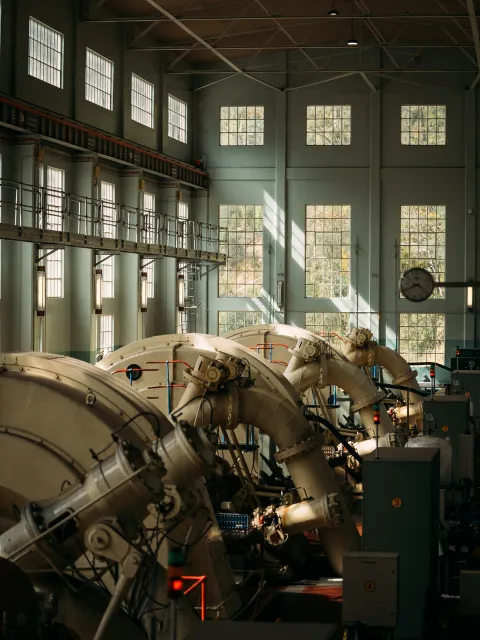
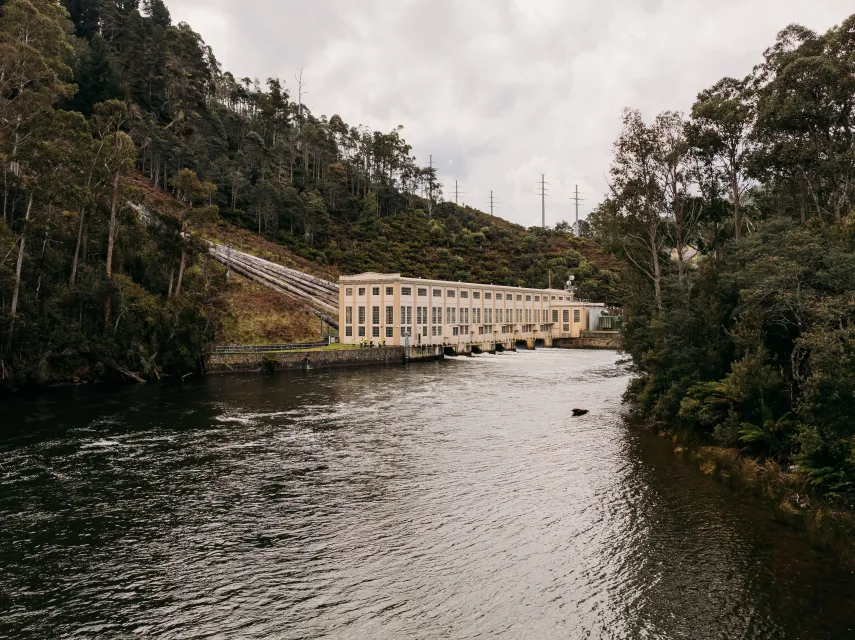
Water flows from Butlers Gorge Power Station via a series of tunnels, canals and pipes to Tarraleah. The water drops 290 m through penstocks (steel pipes) to the power station. The water from the station meets with water from Tungatinah Power Station and flows to Lake Liapootah.
1938–51
93.6 MW
6
Pelton hydropower
What's happening at Tarraleah?
What's happening at Tarraleah?
The iconic Tarraleah hydropower scheme is reaching the end of its operational life. We’re planning to redevelop it to deliver more energy and flexible capacity, while retaining iconic heritage elements. We’ll modernise how water is transported and build a new, bigger station, so the scheme can generate more energy when it’s most needed and most valued.
Tungatinah Power Station
Water is brought together from various lakes and lagoons to Tungatinah Power Station through natural and built systems. Once through the station, the water flow meets with water from Tarraleah and flows to Lake Liapootah.
1953–56
142.2 MW
5
Francis hydropower
Liapootah Power Station
This is the first power station in the lower run-of-river system and is where the cascade effect begins. Water from Lake Liapootah runs through to Liapootah Power Station and continues to Wayatinah Lagoon.
1960
87.3 MW
3
Francis hydropower
Wayatinah Power Station
Water from Wayatinah Lagoon flows through to Wayatinah Power Station, continuing to Lake Catagunya.
1957
45 MW
3
Francis hydropower
Catagunya Power Station
Water from Lake Catagunya flows into Catagunya Power Station and then on to Lake Repulse.
1962
50 MW
2
Francis hydropower
Repulse Power Station
Water from Lake Repulse turns the turbines at Repulse Power Station and then continues to Cluny Lagoon.
1968
29.1 MW
1
Kaplan hydropower
Cluny Power Station
Water from Cluny Lagoon flows into Cluny Power Station and then on to Lake Meadowbank.
1967
19.7 MW
1
Kaplan hydropower
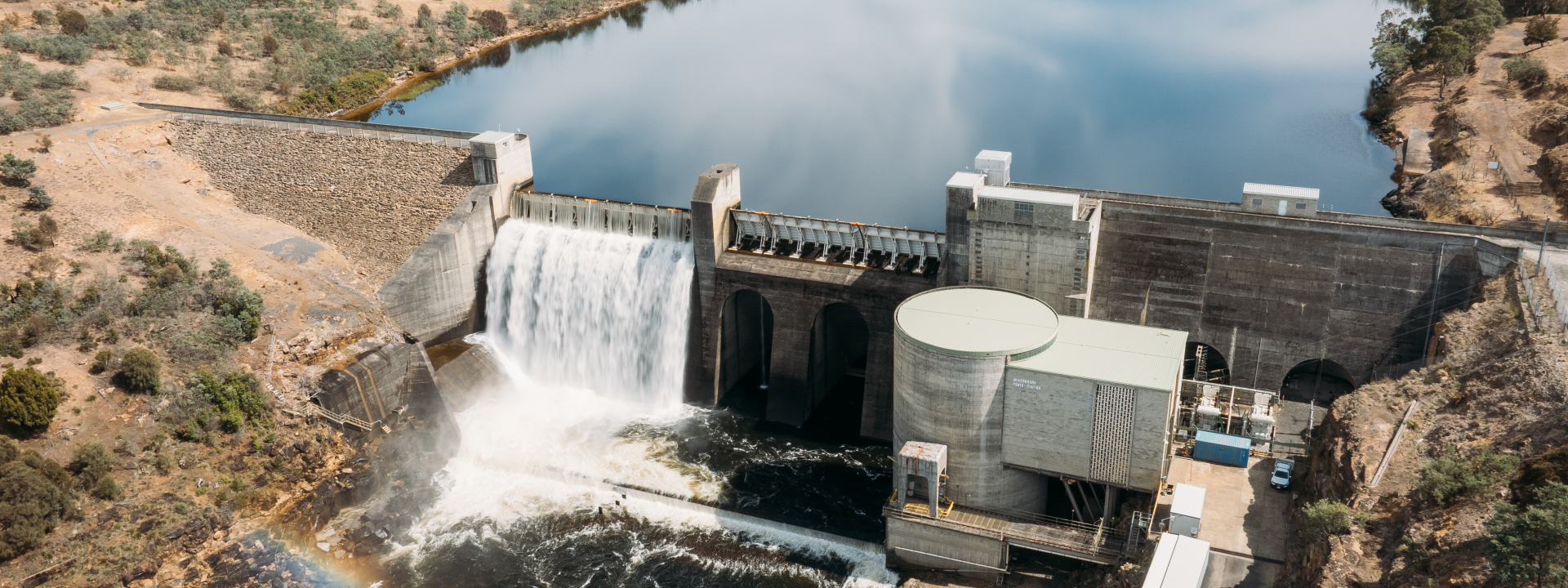
Meadowbank Power Station
Meadowbank Power Station is the last in the run-of-river system. Water continues its journey along the Derwent River and eventually out to sea.