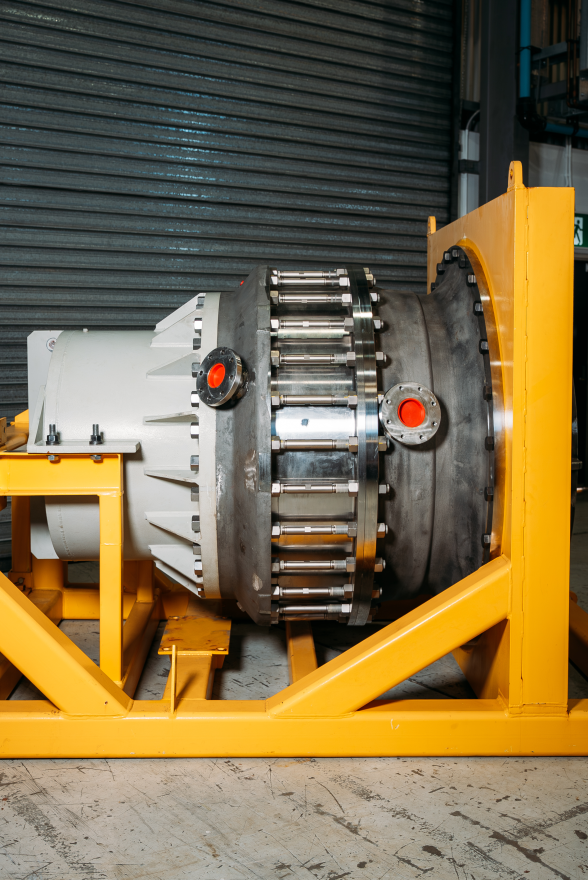



Building a longer-lasting turbine relief valve to combat saltwater erosion
Following a tender process, we partnered with Australian manufacturer VEEM to bring the new design to life.
The result? A relief valve made from duplex stainless steel that’s expected to last 10-15 years longer than the old valves, which only lasted about four years before needing refurbishment. That’s almost triple the lifespan!
Before this upgrade, a rotating spare cycled through the station every few years – one would be removed, fixed up, and put back into the rotation. It worked, but it was a costly and time-consuming process.
Hydro Tasmania’s Executive General Manager of Assets and Infrastructure Jesse Clark said this moment has been a long time coming.
“The new relief valves are the summation of around 30 years of work, from using a rotating spare, to designing out issues and finally completely redesigning them,” says Jesse.
“It shows fantastic problem solving and innovation from the team and we have a stronger and more resilient piece of machinery as a result.”
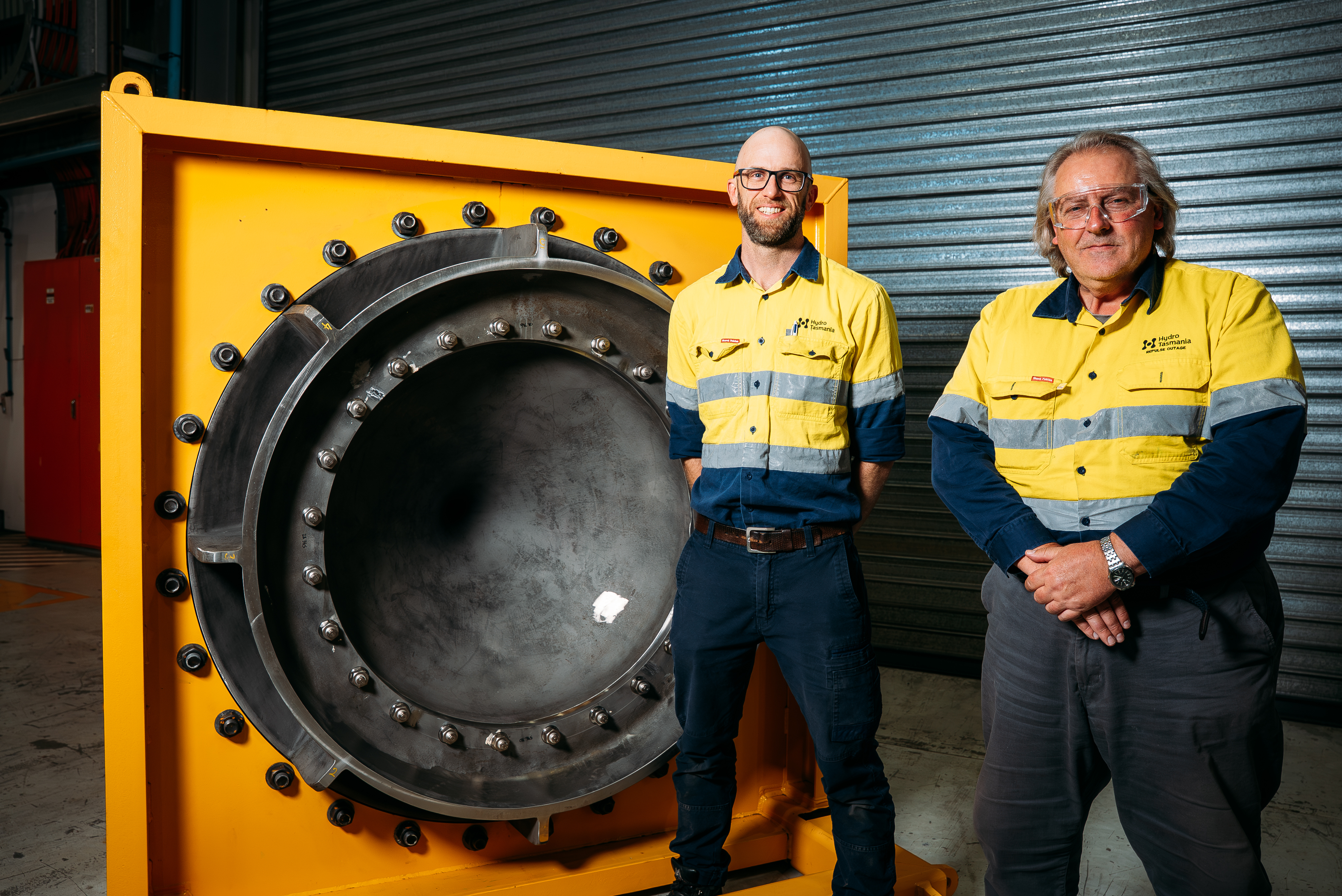
Trevallyn Power Station has four turbines – two with relief valves and two that had their relief valves removed and instead use a slower shutdown function.
The turbine relief valves are a critical part of the power station's infrastructure. They relieve water pressure and protect the 3.2-kilometre tunnel and penstock that deliver water to the power station from water hammer, which can damage the tunnel and penstock.
Finding a tougher material
But the valves themselves face a challenge: the salty Tamar River. The old valves relied on a protective coating to slow corrosion, but once this wore off, the corrosion sped up quickly. That pushed the team to find a tougher material.
“Duplex steel isn’t new, but it’s not commonly used in power stations because it can be difficult to work with,” says Jesse.
“But its improved mechanical and corrosion properties made it the best fit for our project.”
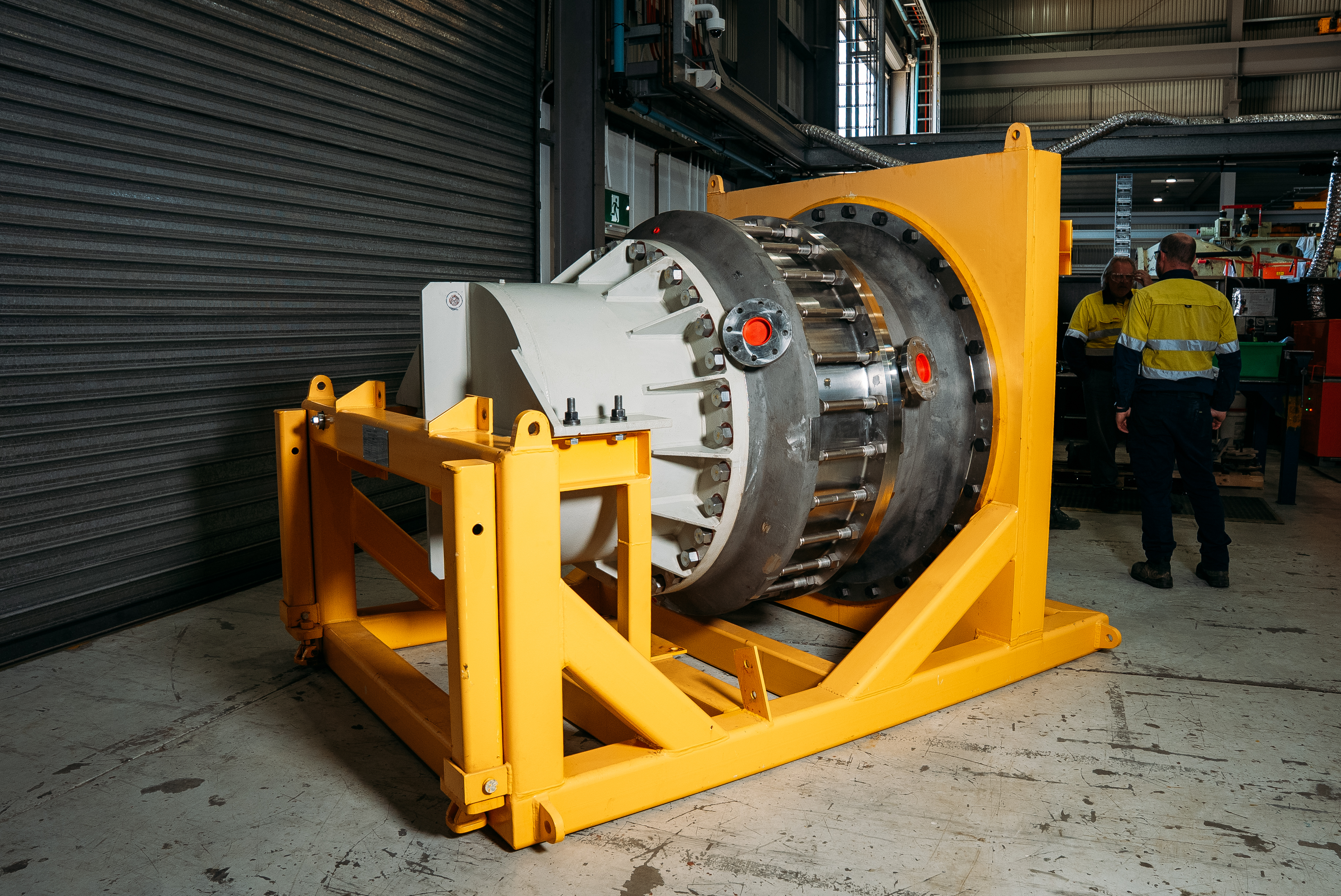
Commissioned in 1955, Trevallyn Power Station is a key player in the South Esk Catchment, generating up to 94MW.
“We have 30 power stations and they are all unique, requiring innovative and custom solutions,” says Jesse.
“It’s important that we adapt our infrastructure and solve problems that are impacting our power stations so they can continue to provide for future generations.”
Hydro Tasmania’s Cambridge Workshop assembled and tested the valves, and managed the interfacing, ensuring the new valves can be installed and tested on site.
Congratulations to the team – this innovation is an important step forward in making Trevallyn Power Station’s infrastructure more resilient for the future.