West Coast refurbishment program

Engagement Officer
Hydro Tasmania
Email: anneke.leroux@hydro.com.au



Project timeline
Project background
This potential was seen early on and in 1914, Mt Lyell Mining and Railway Company built Lake Margaret Power Station to power its mines. A century later, and we’re preparing to embark on an ambitious program of works to reinvigorate power stations in our west coast hydropower schemes, securing their role in Australia’s energy transformation.
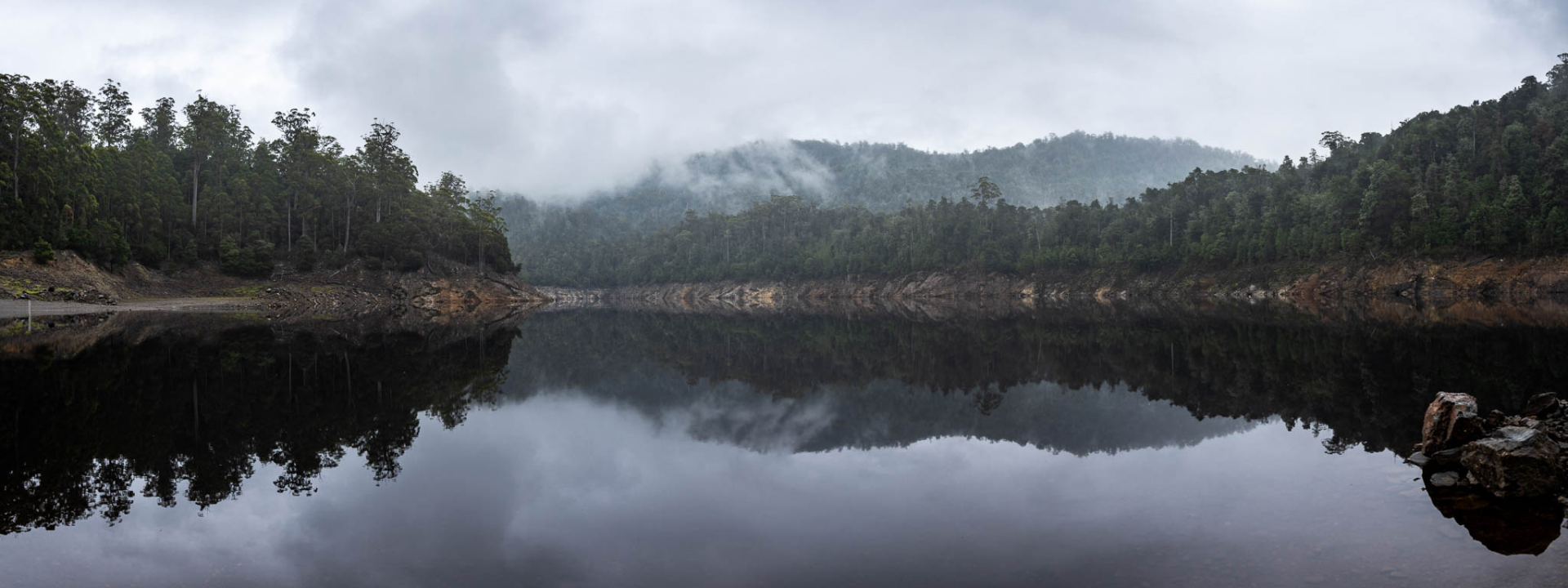
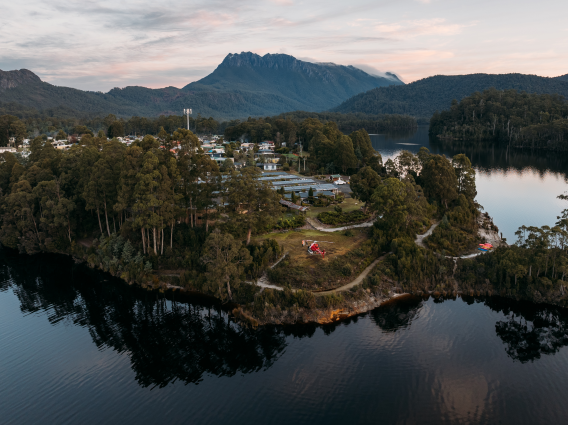
Our western powerhouse comprises three hydropower schemes: Anthony-Pieman, King and Yolande. These schemes play an important role in Tasmania’s energy security, contributing approximately 25% of our total generation capacity. In this upcoming program of works, we’ll be focusing on reinvigorating 4 power stations in the Anthony-Pieman scheme. Completed in 1994, this scheme harnesses the power of the Pieman and Anthony rivers and Mackintosh and Murchison lakes.
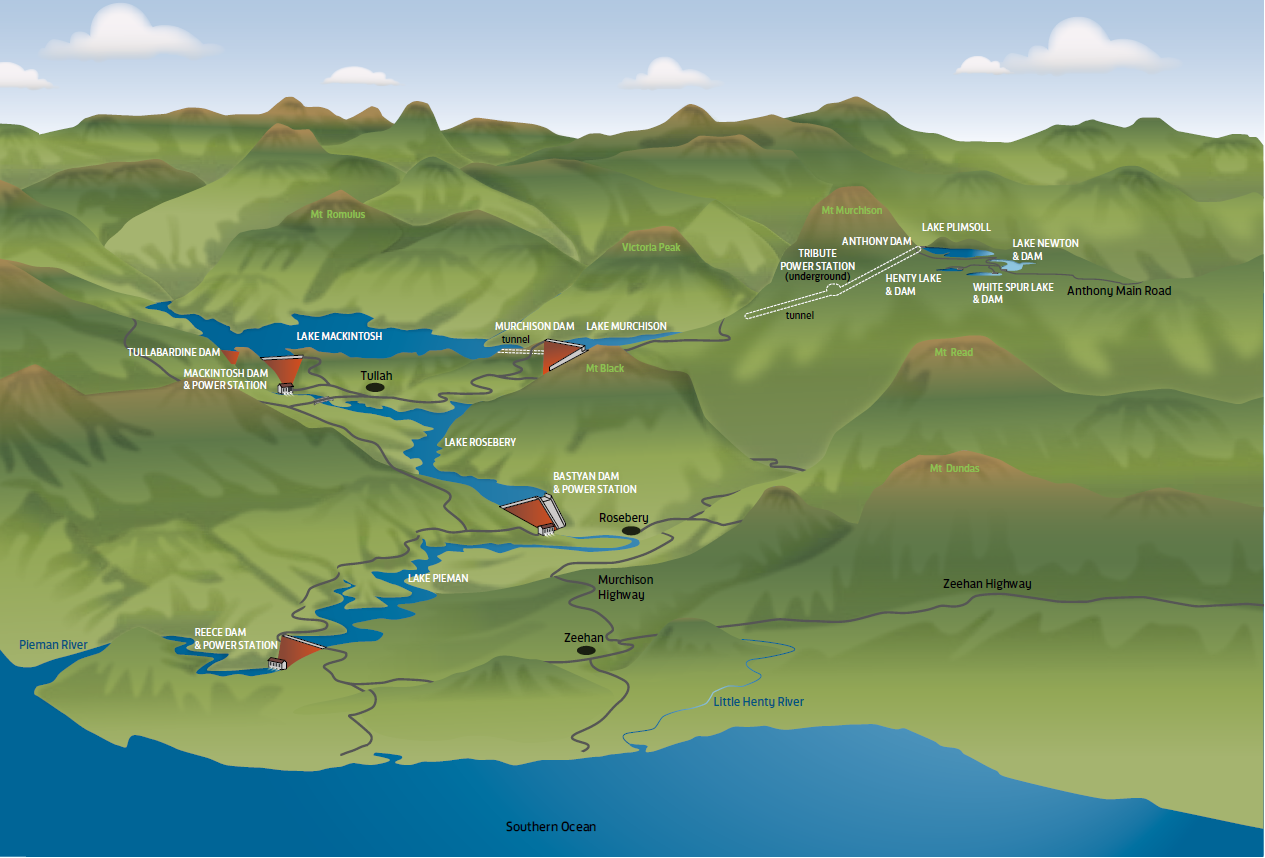
The Pieman catchment
The stations we will be refurbishing are:
- Bastyan
Located below Lake Rosebery, this station was commissioned in 1983 and has one Francis turbine with a generating capacity of 81 MW. - Mackintosh
Located at the base of Lake Mackintosh, this station was commissioned in 1982 and has one Francis turbine with a generating capacity of 89 MW. - Reece (stage 1 and 2)
The last power station in the scheme, sitting below Lake Pieman and south west of Corinna. This station was completed in 1987 and has two Francis turbines with a combined generating capacity of 244 MW.
Later on, the following stations will also be refurbished, however this work is a number of years away and therefore not listed in the project timeline above.
- John Butters
Located on the left bank of the King River above its junction with the Queen River. The station was commissioned in 1992, and houses 144 MW Francis turbine. Tribute
The first of 4 stations in the Anthony/Pieman River schemes. The station was commissioned in 1994 and houses a single Fuji Francis turbine with a generating capacity of 84 MW.

Francis turbines are used in all 5 stations - they're our most commonly used turbine because of their efficiency.
Project overview - what we are doing and why
At each station, we'll complete a range of tasks including:
- replace turbine components
- refurbish governor systems that control turbine speed and power output
- refurbish intake gates where the water from the dam enters the penstocks (pipes) to flow to the power station
- install new systems to modernise how we control and monitor turbines
- replace turbine power supplies.
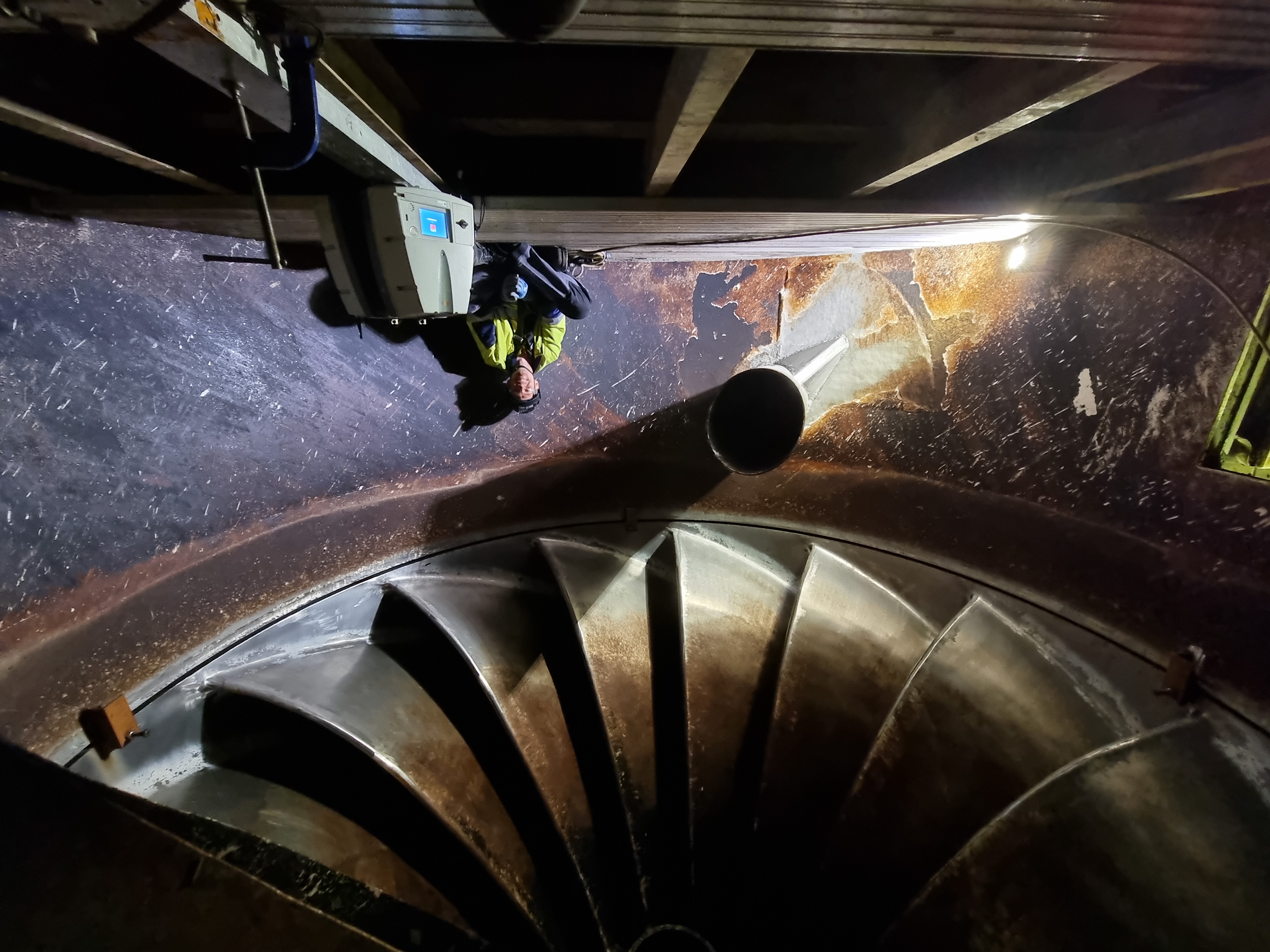
The design and supply of new components has already commenced and we expect work to start in November 2027 at Bastyan.
This is a large program of work and we’re anticipating it will bring exciting opportunities and perhaps the occasional challenge. We’ve already started working with project stakeholders such as the West Coast Council and recently started our broader community engagement with three information sessions.
Have your say

I'm interested in
Circular economy
Refurbishing a power station can generate significant industrial waste, particularly steel, copper and concrete. As part of our approach to sustainability, we aim to reduce the amount of waste we generate. Our aim is to reuse, repurpose and recycle materials to the greatest extent possible and reduce the volume of waste going to landfill.
This approach is informed by circular economy principles - These principles encourage us to celebrate the value of natural resources and minimise waste by keeping materials, products and services in circulation for as long as possible. The infographic below provides a handy overview of these principles or for a more in-depth look, you can watch this explainer video(External link)!
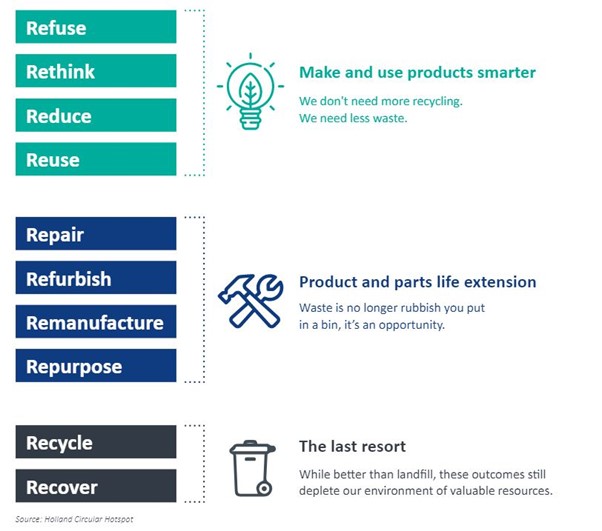
We are currently investigating opportunities to adopt these principles in our refurbishment program, and we look forward to sharing some exciting and innovative ideas in the future.

Completing this program safely and to schedule will require approximately 80 staff to be based in the area. Bringing extra personnel into an area can positively and negatively impact local communities. We want to approach this project differently to make sure any impacts are as positive as they can be. It's all part of our commitment to sustainability (i.e. sustainable communities) and will help us provide long-lasting benefits to the area.
We want to know your views on how you think the program workforce might impact your community - can you see opportunities, such as increased demand for local businesses or new housing that could be repurposed post-completion? Do you think it would offer the chance to build local skills and capacity? Or perhaps you're concerned about additional pressures on key services such as health and education.
We'd encourage you to ask questions or share your perspectives in the 'Have your say' section above.
March 2025 community session
Two information sessions were held in Tullah on 13 and 14 March 2025.