

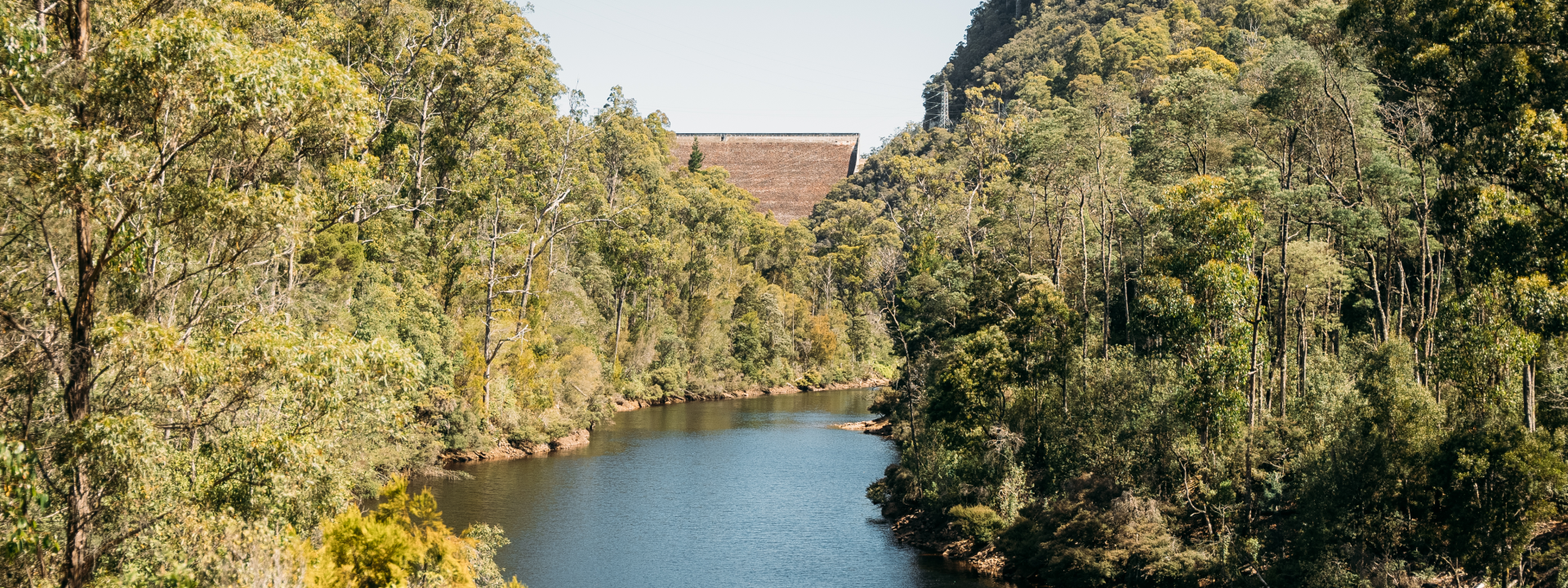
Mersey-Forth
For more than a century, our power stations have electrified Tasmania. We’re working to generate clean, reliable electricity today and for generations to come.
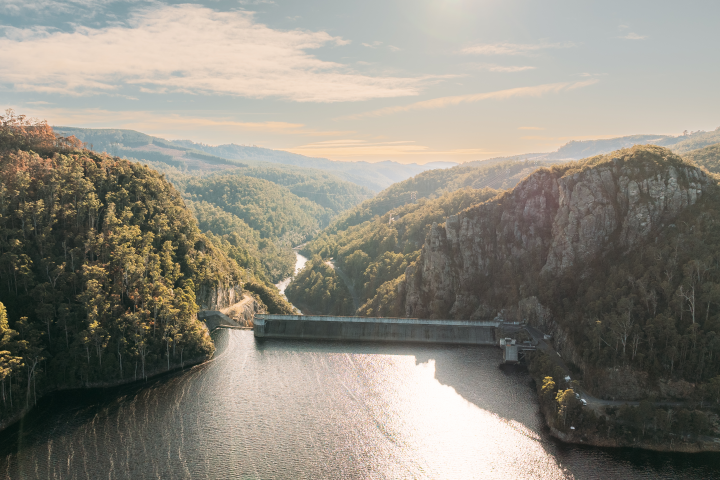
Rowallan Power Station
Lake Rowallan is the major storage for this catchment and supplies the Rowallan Power Station. Water flows to Lake Parangana.
1968
11 MW
1
Francis hydropower
Fisher Power Station
Water from Lake Mackenzie flows through canals, tunnels and pipes to the Fisher Power Station. The water drops 650 m to Fisher Power Station then runs into Lake Parangana.
1973
46 MW
1
Pelton hydropower
Parangana mini-hydro
Water needs to be released from Parangana Dam down the Mersey River for environmental reasons.
The Parangana mini-hydro was built in 2002 to generate energy from this environmental flow before it enters the Mersey River.
2002
0.85 MW
1
Francis hydropower
Lemonthyme Power Station
Water from Lake Parangana is transferred west via tunnels to Lemonthyme Power Station. The water runs into Lake Cethana.
1969
54 MW
1
Francis hydropower
Wilmot Power Station
Water from the Wilmot River is stored at Lake Gairdner. Water is transferred by tunnel, pipeline and penstock to Wilmot Power Station and then flows to Lake Cethana.
1971
32 MW
1
Francis hydropower
Cethana Power Station
Waters from the 4 Mersey–Forth rivers meet at Lake Cethana where the water runs through the underground Cethana Power Station. It then flows into Lake Barrington.
1971
100 MW
1
Francis hydropower
Devils Gate Power Station
Devils Gate Dam holds water in Lake Barrington, which is used in Devils Gate Power Station. The water continues its flow to Lake Paloona.
1969
63 MW
1
Francis hydropower
Paloona Power Station
The power station uses water stored in Lake Paloona. It is the last power station in the Mersey–Forth catchment before it flows out to Bass Strait.