


There's something in the air
In Australia, we take our clean air for granted. Sadly, in many places around the world, air pollution is a serious issue. In fact, according to UN statistics, 92 per cent of our world is exposed to air pollution and it causes millions of premature deaths.
It’s a sombre way to start this story but it gets better, we promise!
- There is a global trend to reverse the impacts of air pollution, directly at the source.
- There is now an international day designed to raise awareness of air pollution and show individuals, communities and businesses what they can do about it.
- There are organisations like ours whose lifeblood is clean, renewable energy and we are showing the world how to ‘clean up their act’ … so to speak.
So let’s start with the technical bit. What is air pollution and why does it occur?
Air pollution can be natural – like fires, dust or volcanic eruptions – or man-made. Some of the most common ‘human driven’ sources of air pollution are power generation, transport, industry, residential heating and cooking, agriculture, oil and gas production, and construction.
Air pollution is fundamentally linked to climate change. Many greenhouse gases and air pollutants come from the same sources.
Efforts to fix air pollution will impact positively on climate change – a win-win for the planet and humanity.
What’s being done about the problem?
This year marks the very first International Day of Clean Air for Blue Skies, an initiative of the United Nations’ environment program. This is a global campaign for clean air – highlighting the significant impact dirty air is having around the globe and urging countries to work together with a goal of ‘clean air for all’.
It invites us to learn about the sources of pollution where we live, gives practical ways to improve air quality and encourages everyone to take responsibility for their actions – individuals, governments and businesses alike.
Australia is already well placed to accelerate towards a cleaner low emissions future. We are rapidly replacing fossil fuel technology with clean and cheap renewable energy sources like wind and solar, and backing them with clean forms of storage like hydropower and pumped hydro.
Tasmania leading the way!
Tasmania is at the front of the pack when it comes to the smarts and the technology to not only support Australia’s transition to cleaner energy sources (and therefore cleaner air) but share that expertise with the world.
Hydro Tasmania and Entura together have been delivering outstanding results in integrating renewable energy, helping the industry to move away from fossil fuels and demonstrate how communities can adapt and embrace clean energy. You can see this expertise and innovation in action with ground breaking hybrid energy projects on Flinders and King Island.
Entura has taken this to the international stage. Two flagship projects are in the Pacific region, which is facing the very real threat of climate change including rising sea levels and more frequent (and more intense) storms.
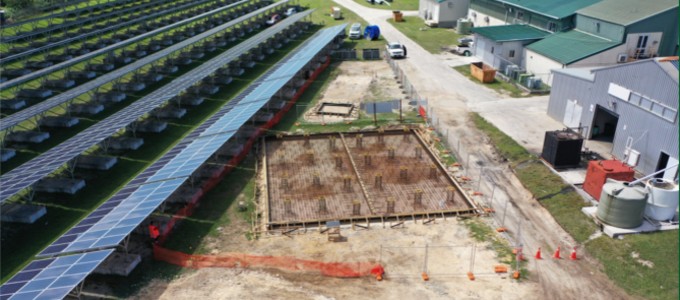
Tonga case study
In Tonga, Entura assessed the feasibility of a renewable energy project (TREP) that provides storage and renewable generation on 8 islands. The project is part of Tonga’s goal to be powered by 70 per cent renewables by 2030. This will reduce its heavy reliance on imported diesel and support achieving greater climate change resilience and environmental sustainability.
Entura supported procurement and project construction and even in the midst of the COVID pandemic, adapted ways of working to allow parts of the project to continue.
Once completed, the TREP will enable greater access to modern, reliable energy services for over 100,000 people. It will also result in greater energy security and affordability by removing the reliance on imported diesel.
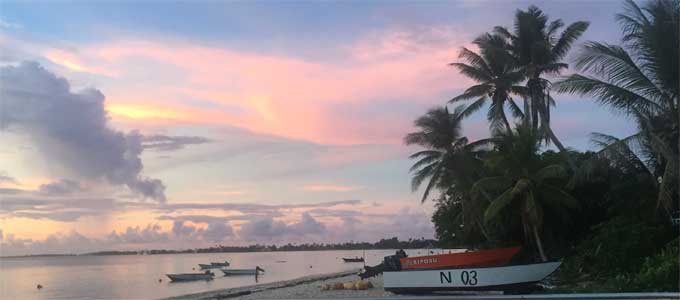
Tuvalu case study
To reduce its carbon footprint and boost sustainability and electricity security, the nation aims to transition from diesel-generated electricity to 100 per cent renewables by 2025.
A ‘road map’ for the main island of Funafuti was developed by Entura. They assessed the feasibility of increasing renewable energy generation on three islands to more than 90 per cent by utilising more solar PV and upgrading the existing power system on Funafuti with rooftop solar and battery storage. This would have dual benefits of increasing the existing renewable energy output and allowing for future additions of more renewables.
Entura’s ‘road map’ and feasibility studies confirmed the viability of these renewable energy and storage projects. These projects will set this vulnerable area on its way to providing sustainable and reliable electricity for remote communities and help reach environmental targets.
Find out more:
- International Day of Clean Air for Blue Skies - https://www.cleanairblueskies.org/
- Hydro Tasmania’s hybrid energy solutions - https://www.hydro.com.au/clean-energy/hybrid-energy-solutions
- Entura’s renewable energy projects - https://www.entura.com.au/projects
#WorldCleanAirDay #cleanairforall #renewableenergy #makingadifference