


It takes sound science to save a species
These models will show the complex interrelation between river flows, tides and other meteorological factors that can alter levels of dissolved oxygen in the harbour, to the detriment or benefit of the Maugean skate.
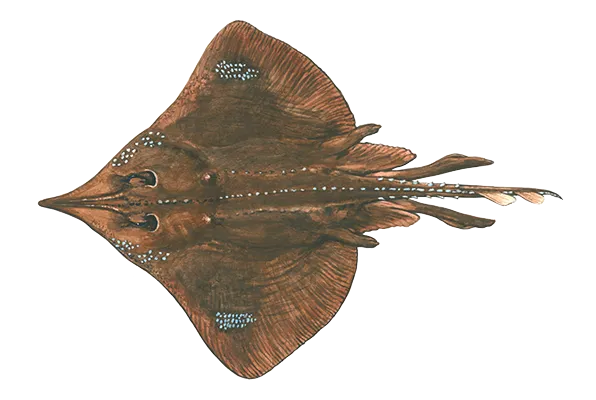
The Maugean skate (Zearaja maugeana) is a species of ray only found in the waters of Macquarie Harbour.
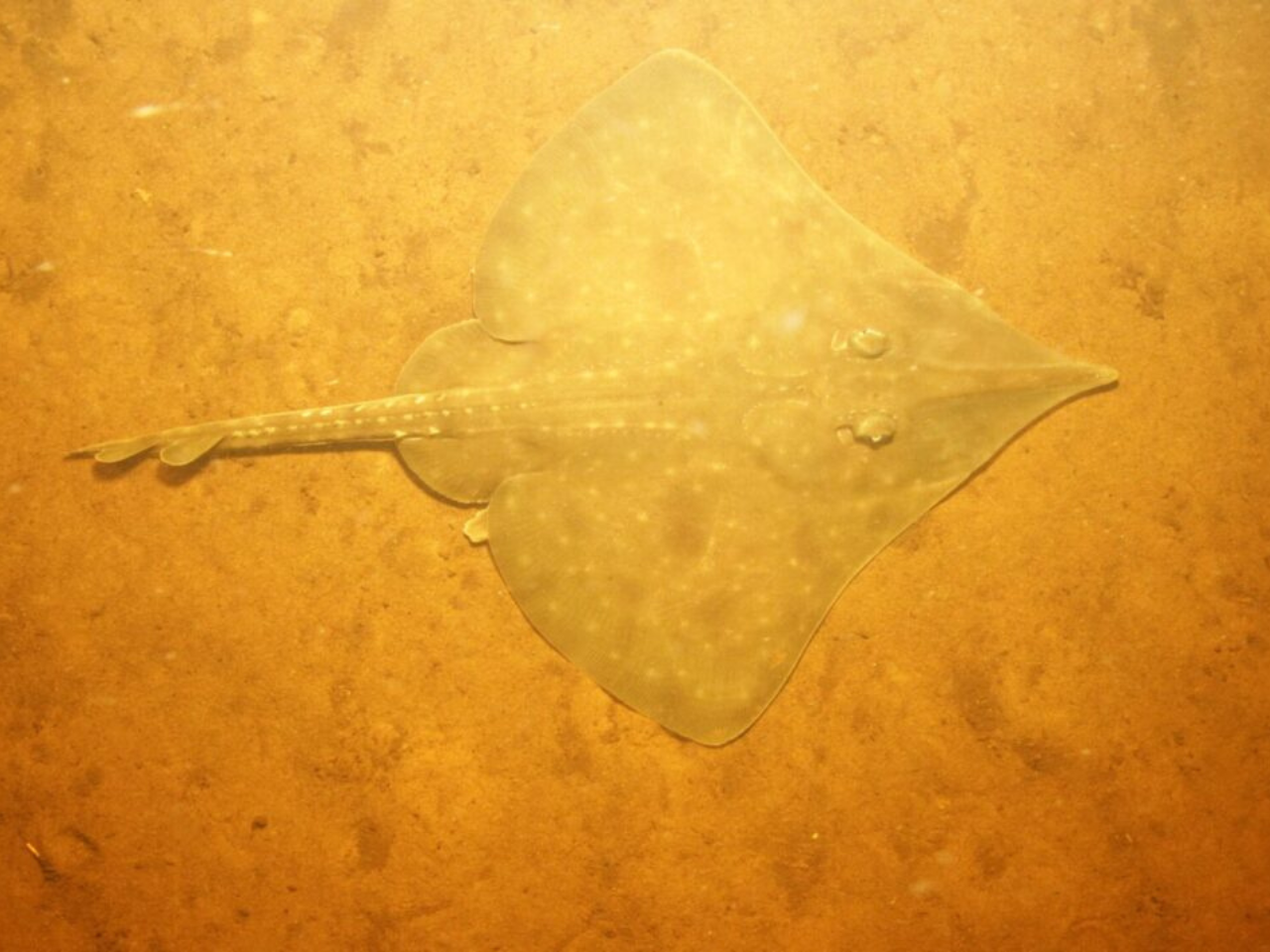 The endangered Maugean skate. Image Prof Neville Barrett, IMAS.
In recent years, there has been a significant decline in the remaining skate population. This is thought to be largely due to low levels of dissolved oxygen. Current numbers of the Maugean skate are thought to be around 1,000.
Hydro Tasmania is a member of the Maugean Skate Recovery Team, working with all stakeholders to help save the endangered skate and delivering its commitments under the Tasmanian Government’s Conservation Action Plan.
The recovery team includes members from federal and state government departments, industry, environmental groups, experts and researchers, and community groups. Hydro Tasmania has been an active member of the recovery team since its inception.
Executive General Manager Assets and Infrastructure Jesse Clark said the models were shedding new light on the complex system. “Scientific models can seem a bit abstract but they’re fundamental to knowing how the harbour works, what impacts dissolved oxygen and what we can do to help create a healthy environment for the skate”, says Jesse.
“Anything we do needs to be underpinned by sound science – pulling the wrong lever at the wrong time could have unintended consequences.”
“For example, it was generally thought that a combination of low river flows and particular weather events were required for sea water high to enter the Harbour and replenish the dissolved oxygen. The models show it is more nuanced than this.”
Hydro Tasmania has a proud track record of protecting endangered species. This includes efforts to protect threatened galaxiids, and rediscover species such as the short-tailed rain crayfish, thought to be extinct.
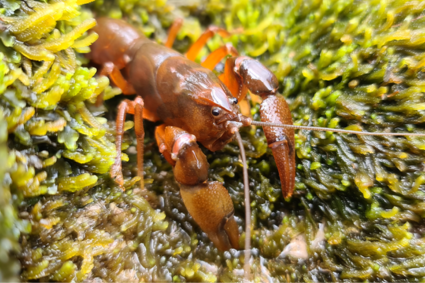
The thought-to-be-extinct short-tailed rain crayfish (Ombrastacoides Parvicaudatus)
In June, the Environment Protection Authority (EPA) released data showing the dissolved oxygen levels appear to be improving. And in another promising sign for the future of the species, data collected by the University of Tasmania’s Institute for Marine and Antarctic Studies (IMAS) between 2021 and September 2024 showed an increase in the number of young Maugean skates.
“Hydro Tasmania welcomes the news, and we are proud to be part of the collective effort to support the Maugean Skate recovery efforts,” says Jesse.
We will continue to work collaboratively with government and stakeholders as part of the Maugean Skate Recovery Team! Learn more about the Maugean skate by clicking here.