


The power of clean energy is an opportunity too good to waste
As Australia’s largest renewable energy generator, we know renewables like the back of our hand. But there is always room to improve our understanding of our environmental footprint.
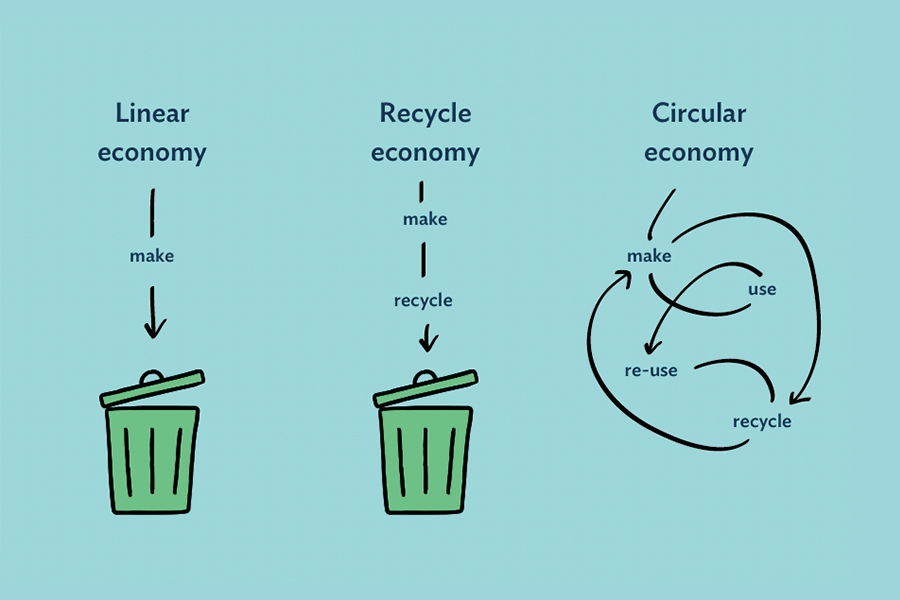
Today, most people, organisations and even countries conform to a linear economy. A linear economy works on the principle of making products out of raw materials which are thrown away after use. The circular economy is a new economic model that designs out waste and pollution, to benefit society, businesses, and the environment.
The circular economy is a worldwide opportunity, which can address 45 percent of global emissions that arise from the production and use of products and food. Some everyday circular examples include maintenance and repair on your lawnmower so it remains in use for as long as possible, buying clothes from a second-hand store, and composting!
Where it all began...
In 2019, we begun to rummage through our waste and recycling habits. The results proved not to be a waste of time, with our 'Too Good to Waste' initiative (roadmap to divert 90 per cent of our overall waste from landfill through re-use, recycling or composting) awarded the Rethink Waste Tasmania’s Waste NoT Award in 2020!
This was a great start, but to make a bigger impact, we wanted to stop waste further upstream from our sites – with our suppliers, and our supplier’s suppliers, and our supplier’s supplier’s suppliers… you get the picture.
Maintenance of our assets is a huge part of our day-to-day, meaning we keep a lot of inventory on hand at our ‘stores’. Over a ten-month period between 2020 and 2021, 47,700 products were received at the stores. As you can expect, machine parts are delivered in layers and layers of packaging to keep them safe on their journeys to our power stations. Whilst this protects the quality of parts, it unfortunately causes a major source of waste. This is why the Gowrie Park store, in North West Tasmania, was chosen as the location for our first circular economy case study.
Finding the circular opportunity
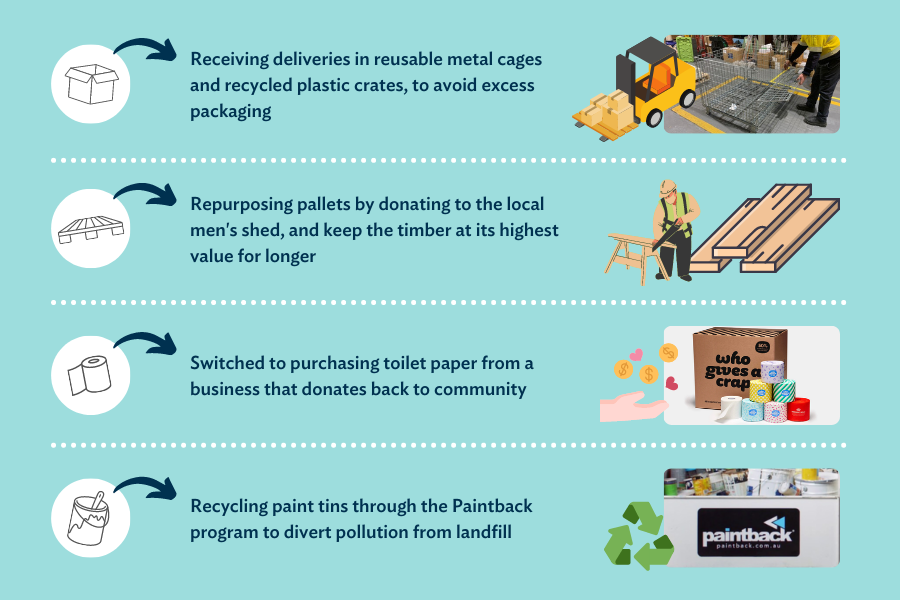
The three major waste sources identified were cardboard and plastic packaging, pallets and paint-tins. With the help of Coreo, a circular economy consultancy, the crew were able to put circular opportunities into practice to divert more waste from landfill. These improvements (listed below) meant we could design out waste before it arrived on site, donate more materials to local community groups for re-use, and switch to different suppliers to increase value back to communities.
“It was a huge wakeup call for us to see the number of deliveries we were receiving each week, and the volume of single-use packaging that came with that” said Environmental Officer, Abbey Fancourt.
"We started asking our suppliers whether there were alternative packaging options with smaller footprints to explore how we could do things differently."
Head of Asset & Environment Strategy & Risk, Cameron McCulloch said it’s great to see how simple questions can achieve big impact in our supply chains. “Not only does investment in circular opportunities make good business sense, it provides more value back to Tasmania’s communities and environment,” said Cameron.
"Being able to create impact upstream of our business was a great outcome at Gowrie Park."
So, what's next?
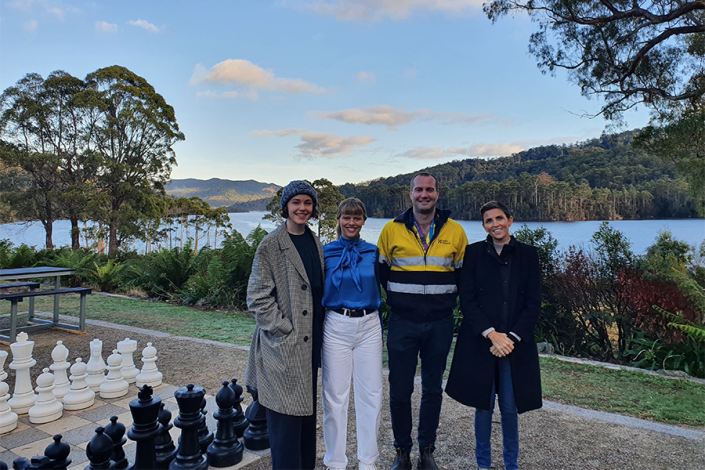
We’re embarking on another eight (yes eight!) initiatives to find more opportunities to circulate value. In March, the Coreo team visited Tasmania to check out more of our operations.
“It was absolutely inspiring to see the work of Hydro Tasmania and understand their potential as a force for circularity in the local and national economy” commented Coreo CEO, Ashleigh Morris.
"It's not only the initiatives we are looking forward to optimising... we really believe Hydro Tasmania can make a real difference for the future."
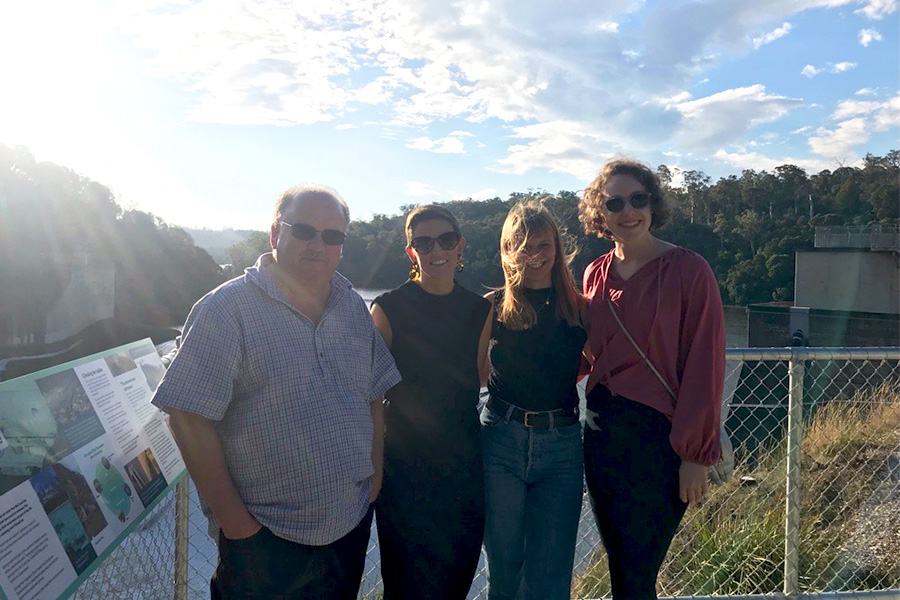
“This year we’re diving into opportunities at a range of sites across the state, including some of our major asset upgrades and our offices. We hope to influence more change within our supply chains to reduce the impact of waste in Tasmania,” said Cameron.