

Housing a future construction workforce
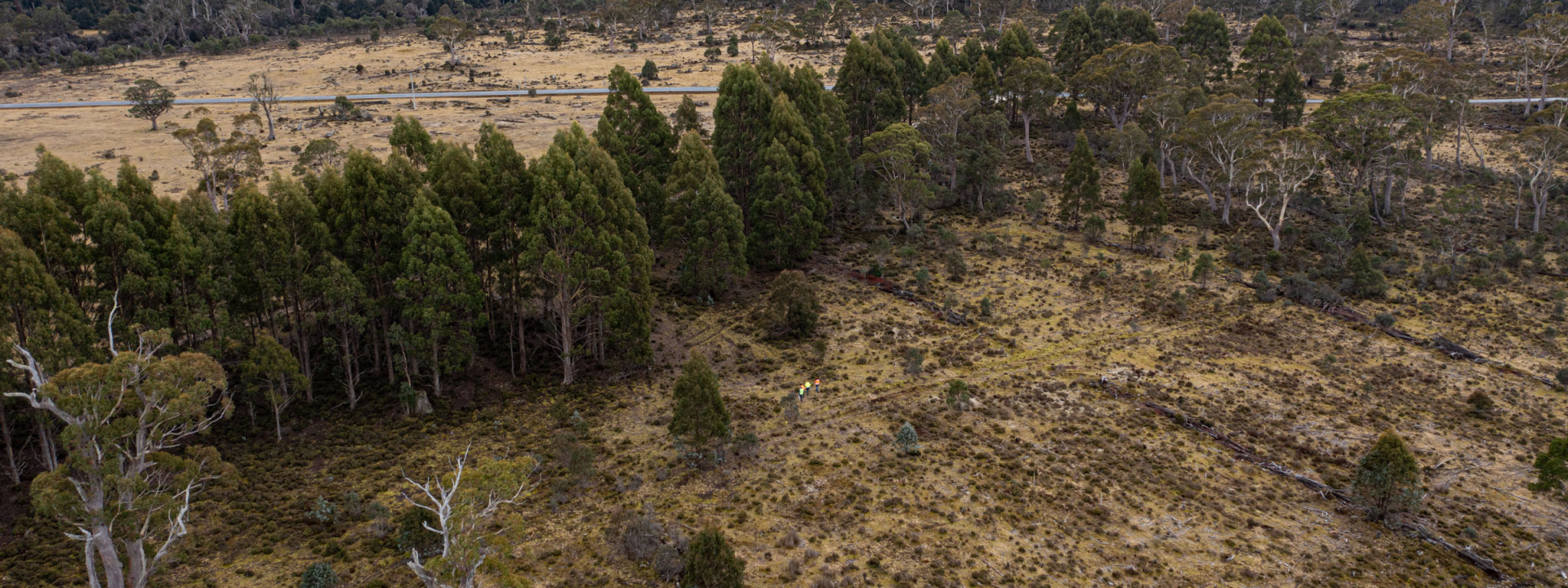
A dedicated, temporary facility is proposed to be constructed at Middlesex, to support the future workforce for the Cethana pumped hydro project
Helpful information on the WAF
The project site (where we plan to build the new upper storage) is not big enough for a facility of this size. We also don't own suitable land close to the project site.
Plus, there isn't enough local housing to support a workforce this large - and we don't want to take up housing that locals and visitors rely on.
Some people have asked why we can’t build on Hydro Tasmania-owned land at Gowrie Park. We did look at this option, and while there may be some potential advantages in terms of opportunities for local workers, these were outweighed by safety, environmental, operational and regulatory constraints.
We’ve put together a Fact Sheet that explains more. <Link to Gowrie Park fact sheet>
A local land agent – Elders Commercial (based in Devonport) – was appointed to manage an open, staged Expression of Interest (EOI) with landowners in the local area. Having an open EOI ensured it was an equitable and transparent process.
The first stage was to identify those landowners that were interested in nominating their land for purchase or lease.
The EOI received 49 enquiries and 9 submissions.
We wanted suitable land within a 30-minute radius of the project site. Keeping travel times to a minimum is a critical part of fatigue management and safety of the workforce. Shorter commutes also means that we can more effectively manage construction traffic between the accommodation village and the construction site.
Those sites that were identified as being suitable based on selection criteria were then assessed. From that process, we selected the Middlesex site (locally known as Daisy Dell).
<insert site location map>
We will be looking at light pollution as part of our visual impact assessment. The study will look at how lighting will be used for the WAF and how we might mitigate any potential impacts especially at nighttime.
There is no connection to TasWater infrastructure at the proposed site. We will need to provide a fully self-contained water and wastewater solution.
The options are still under consideration but we are looking at:
- On-site disposal of wastewater
- Pump-out systems
- Rainwater harvesting
- Water delivery
We will consider combinations of the above methods.
We will complete a detailed Traffic Impact Assessment (TIA) – looking at all vehicle movements including workforce transport, operational support and ancillary services.
We expect that the future workforce will be a mix of workers who fly in to the state, and local workers who would drive to site.
It’s less than 10 kilometres between the accommodation facility and the project site. The plan is to utilise a fleet of buses and light vehicles to move workers and supervisors between these locations. This is a more efficient way to transport workers and it also means there is less traffic impact for a large workforce travelling to site.
There may be impacts on wildlife due to construction traffic. We will investigate mitigation measures including:
- preparation of a Roadkill Management Plan
- defining certain times of the day and night for construction traffic movements
- training for site workers on threatened species awareness and reporting requirements.
The WAF will have its own helipad for emergencies, with a dedicated access road.
For larger emergencies such as extreme weather events or fire, an Emergency Management Plan will be prepared in line with required legislation.
As part of assessing the proposed WAF location, we engaged a bushfire risk consultant to complete a bushfire hazard report and a bushfire management plan. This sets out the hazard exposure level and the proposed mitigations to achieve an acceptable level of residual risk. These documents will be updated as we progress the planning process.
When the DA goes on public exhibition, you will be able to view the study findings (for all technical studies) and provide your feedback on our plans.
Bushfire risk management will follow State Government policy and guidelines, and industry best practice.