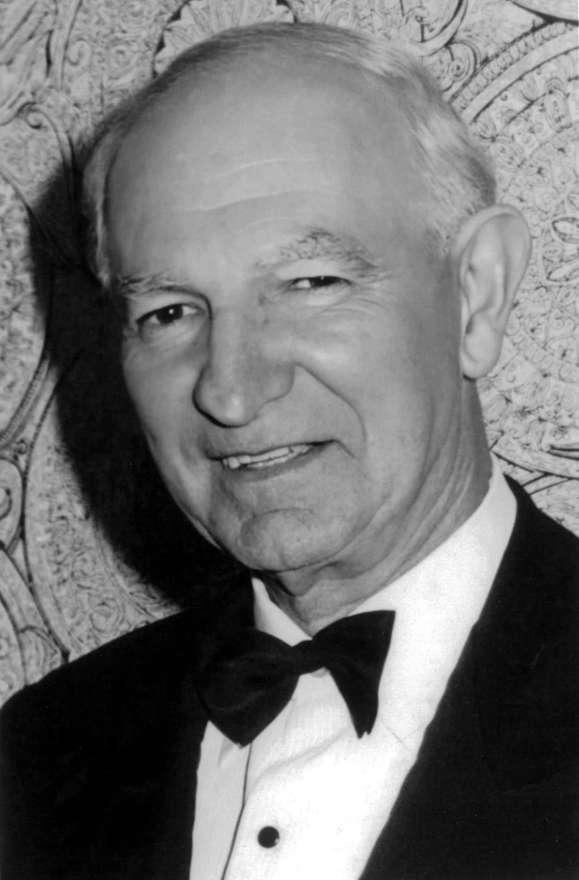



Sir Allan Knight: Honouring a legacy that still powers Tasmania
During that time, he oversaw one of the most ambitious periods of infrastructure development in Tasmania's history and helped establish the foundations of the organisation we know today as Hydro Tasmania.
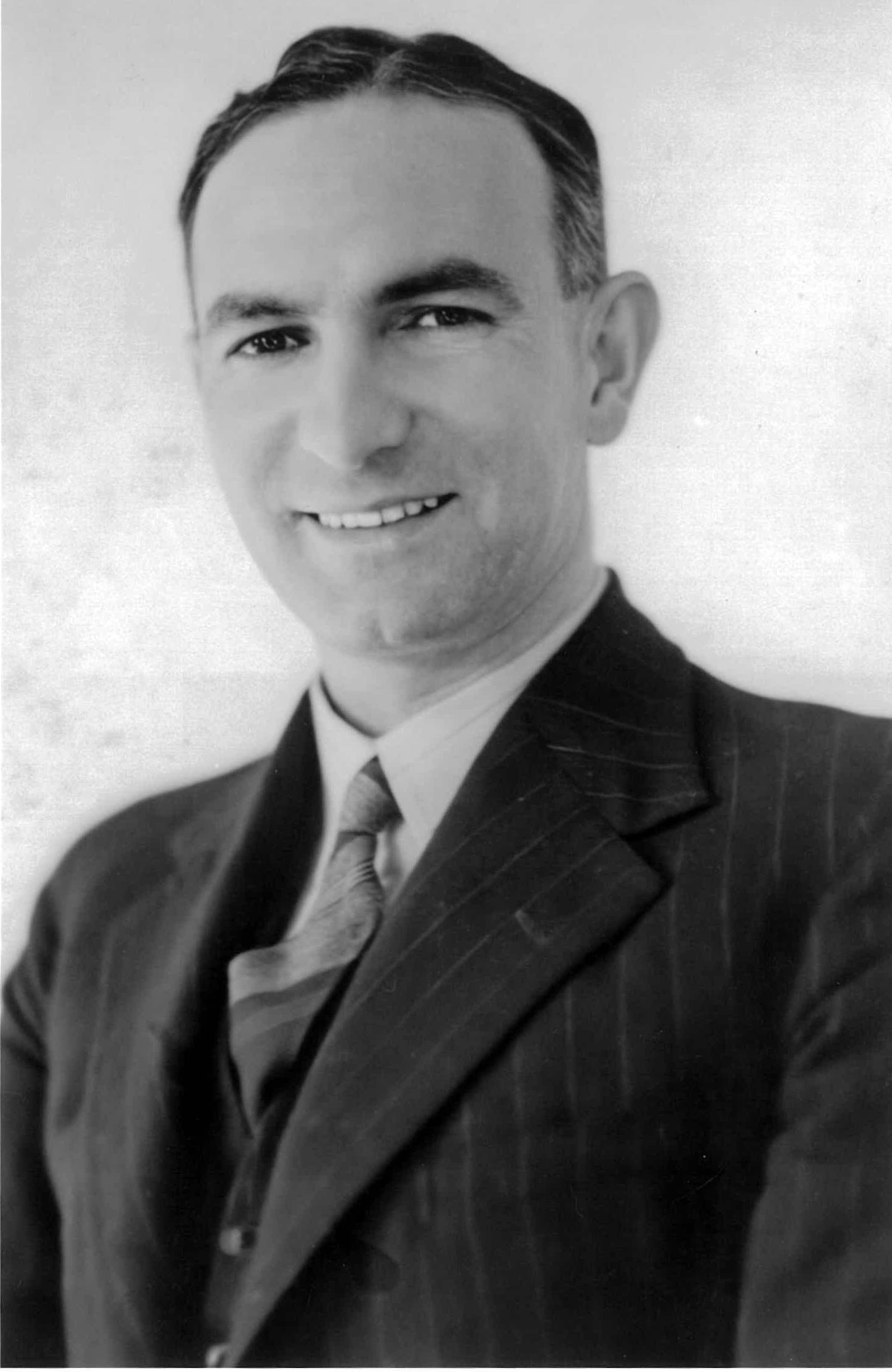
This year, Hydro Tasmania is recognising Sir Allan's extraordinary contribution to Tasmania's hydropower legacy with a commemorative plaque at Gordon Dam, one of the many iconic projects constructed under his leadership and a site that holds special significance for his family.
A Tasmanian who dreamed big
Born in Launceston in 1910, Sir Allan's story is one of talent, determination and vision.
After beginning his education in Launceston, he attended Hobart Technical School before studying at the University of Tasmania, where he earned degrees in science, engineering and commerce, as well as a master's degree in engineering. The University later awarded him an Honorary Doctorate in recognition of his achievements.
Even before joining the HEC, Sir Allan had established a reputation as an innovative engineer. He pioneered the application of composite beam theory, a design approach still used in bridge construction today, and led the design and construction of major infrastructure projects including Hobart's floating bridge and the former Bridgewater Bridge.
But it was at the Hydro-Electric Commission where he would leave his greatest legacy.
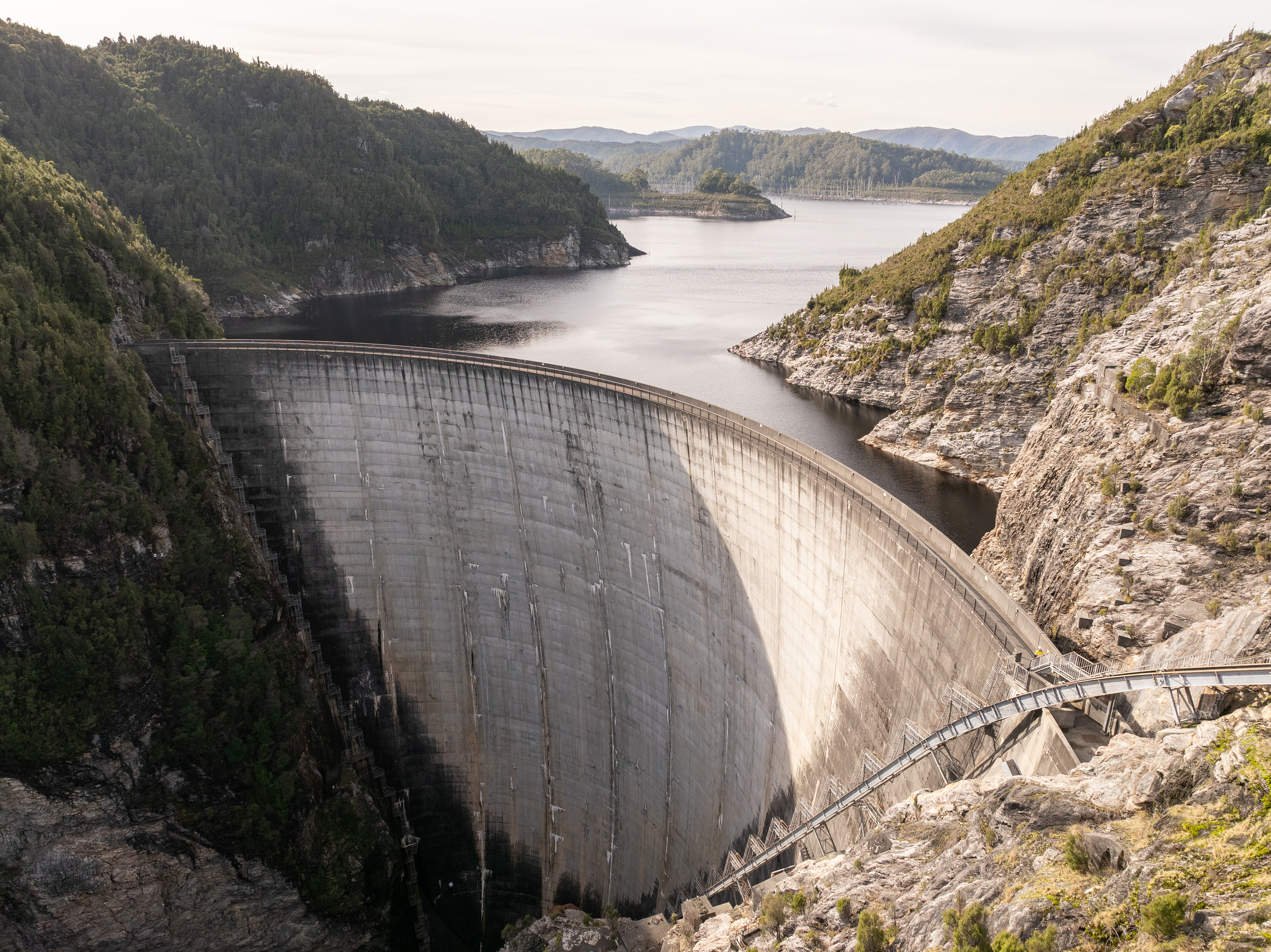
Transforming the Hydro
At 36 years of age, Sir Allan was appointed Commissioner of the Hydro-Electric Commission in 1946.
Over the next three decades, Tasmania's hydropower network expanded at an unprecedented scale.
Under Sir Allan's leadership, the HEC's installed generating capacity grew from 172 megawatts to 1,515 megawatts. The organisation's workforce increased from around 1,000 employees to more than 5,000, creating opportunities for thousands of Tasmanians and migrant workers who helped build the state's hydro-electric future.
Sir Allan oversaw the development of major schemes including Poatina, Upper Derwent, Mersey-Forth and Gordon. These projects helped deliver reliable, renewable energy that would transform the fabric of life for Tasmanians, while advancing engineering knowledge and construction techniques recognised around the world.
His influence extended beyond the projects themselves. He established a dedicated civil investigations unit that conducted extensive geological research across Tasmania. The knowledge generated through this work continues to support Hydro Tasmania today by helping reduce project risks and improve decision-making. The research has also benefited other industries operating in Tasmania's remote environments and waterways.
Engineering achievements of world significance
Sir Allan is remembered not only for the scale of what was built during his tenure, but also for the innovations that made those achievements possible.
Under his leadership, Hydro Tasmania engineers and construction teams set tunnel boring world records, and the organisation became a world leader in the design and construction of large rockfill dams with upstream concrete membranes, including pioneering work at Cethana.
Poatina Power Station, completed during Sir Allan's tenure, was another landmark achievement. At the time, its 850-metre static head made it the sixth-highest-head hydro-electric power station in the world.
These innovations earned international recognition and helped position Tasmania as a global leader in hydro-electric engineering.
Sir Allan also guided the HEC through periods of considerable public scrutiny. The flooding of Lake Pedder during the development of the Gordon scheme remains one of Tasmania's most debated infrastructure decisions.
Although the project proceeded, the campaign to save Lake Pedder became a defining moment in the state's environmental history and helped shape future conversations about the balance between development and conservation.
Sir Allan also served 35 years as a member of the Scenery Preservation Board, which was dedicated to preserving natural areas. While he saw Hydro Tasmania through times of transition, he also cared deeply about caring for and maintaining environmental landscapes.
Building communities as well as infrastructure
The hydro developments of the mid-20th century transformed more than Tasmania's energy system.
To support major construction projects across the state, Sir Allan oversaw the establishment of construction townships and the recruitment of workers from around the world. Many migrants who arrived to work on hydro projects made Tasmania their permanent home, helping shape the state's population, communities and cultural identity.
The impact of that legacy is still felt today.
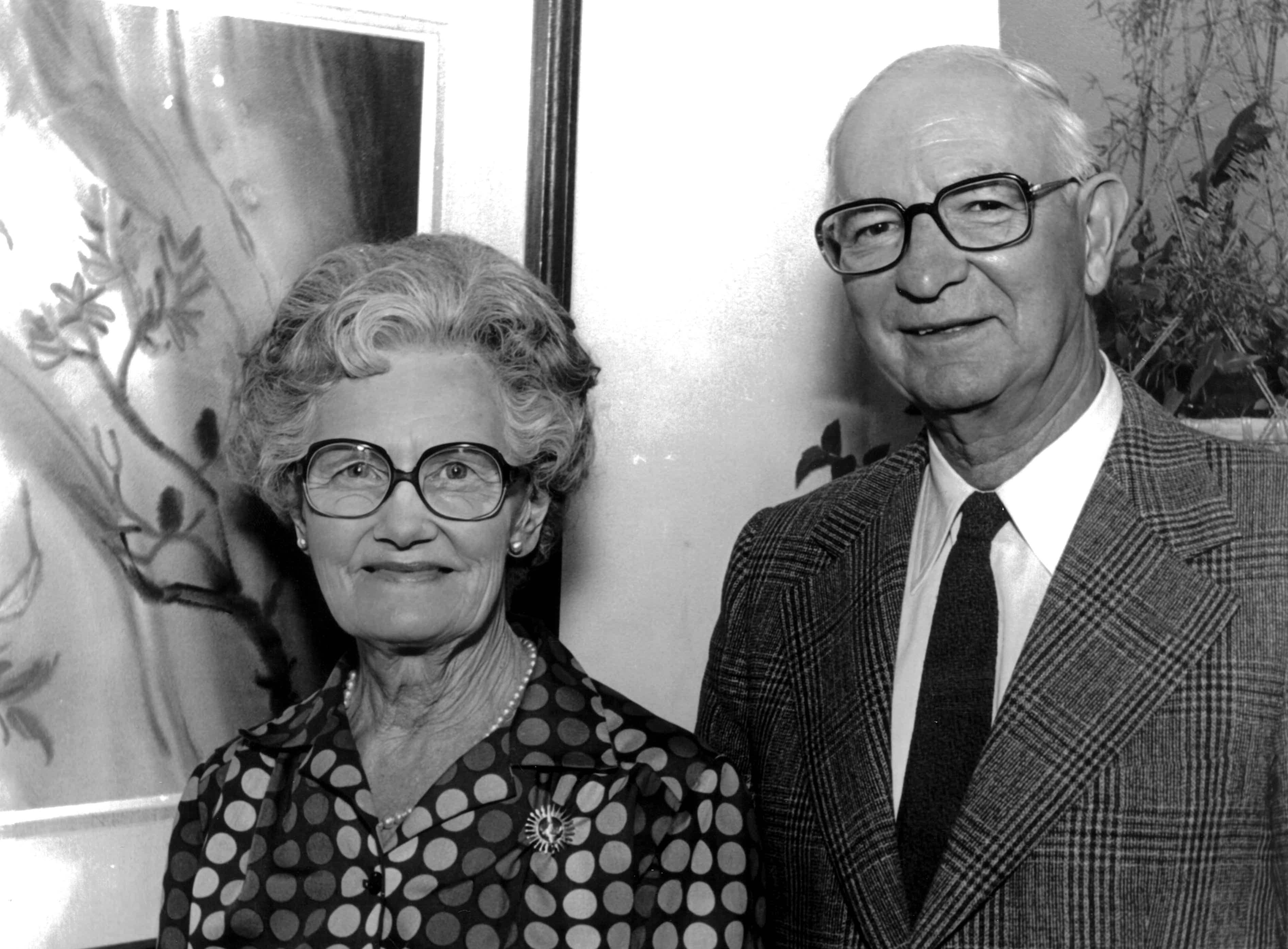
Sir Allan's granddaughter, Anna, recalls that while working as a nurse at the Royal Hobart Hospital, Polish patients would often ask whether she was related to Allan Knight, a reflection of the lasting respect held for the man who helped create opportunities for so many families.
A legacy that endures
Sir Allan's influence can be seen across Tasmania's landscape.
From the dams and power stations that continue to generate renewable energy, to major infrastructure projects such as the reconstruction of the Tasman Bridge following the 1975 bridge disaster, his work helped shape modern Tasmania.
Gordon Dam stands as one of the most visible examples of that legacy. Constructed during his time as Commissioner, it remains one of the state's most iconic engineering achievements and a powerful symbol of Hydro Tasmania's history.
Today, Hydro Tasmania is the custodian of many of the assets that Sir Allan helped bring to life. In many ways, we are also custodians of his legacy.
To honour the significance of Sir Allan Knight's contribution to Hydro Tasmania's legacy, a commemorative plaque will be placed at Gordon Dam, providing an opportunity for employees, visitors and tourists alike to connect with the history of the site and the remarkable individual who helped shape it.
Known by family members as a kind and thoughtful man, Sir Allan was a leader of extraordinary vision, determination and engineering ability, and nearly 50 years after his retirement, his legacy continues to power Tasmania.