

From seeing to being: Girls in Power gives girls a look at energy careers
At this year's Girls in Power sessions, fifty Year 9 and 10 girls explored the wide range of careers available in renewable energy.
At the heart of the program is the idea that STEM becomes far more tangible when students can experience it firsthand. It’s one thing to study science, maths and technologies in the classroom; it’s another to stand inside a power station, meet the people who operate and maintain critical infrastructure, and work through the kinds of practical problems engineers, technicians and project teams solve every day.
Hydro Tasmania has hosted Girls in Power sessions since 2022 to help demystify the industry, build young women’s confidence, and encourage them to see themselves in STEM and the renewable energy workforce. This matters because women remain under-represented* in STEM and in the energy sector, and programs like this can help students link classroom choices now with career opportunities later.
Bringing energy careers to life
In previous years, participants have toured hydropower stations, wind farms, substations and workshops, taken part in technology challenges, and heard directly from people working across the industry.
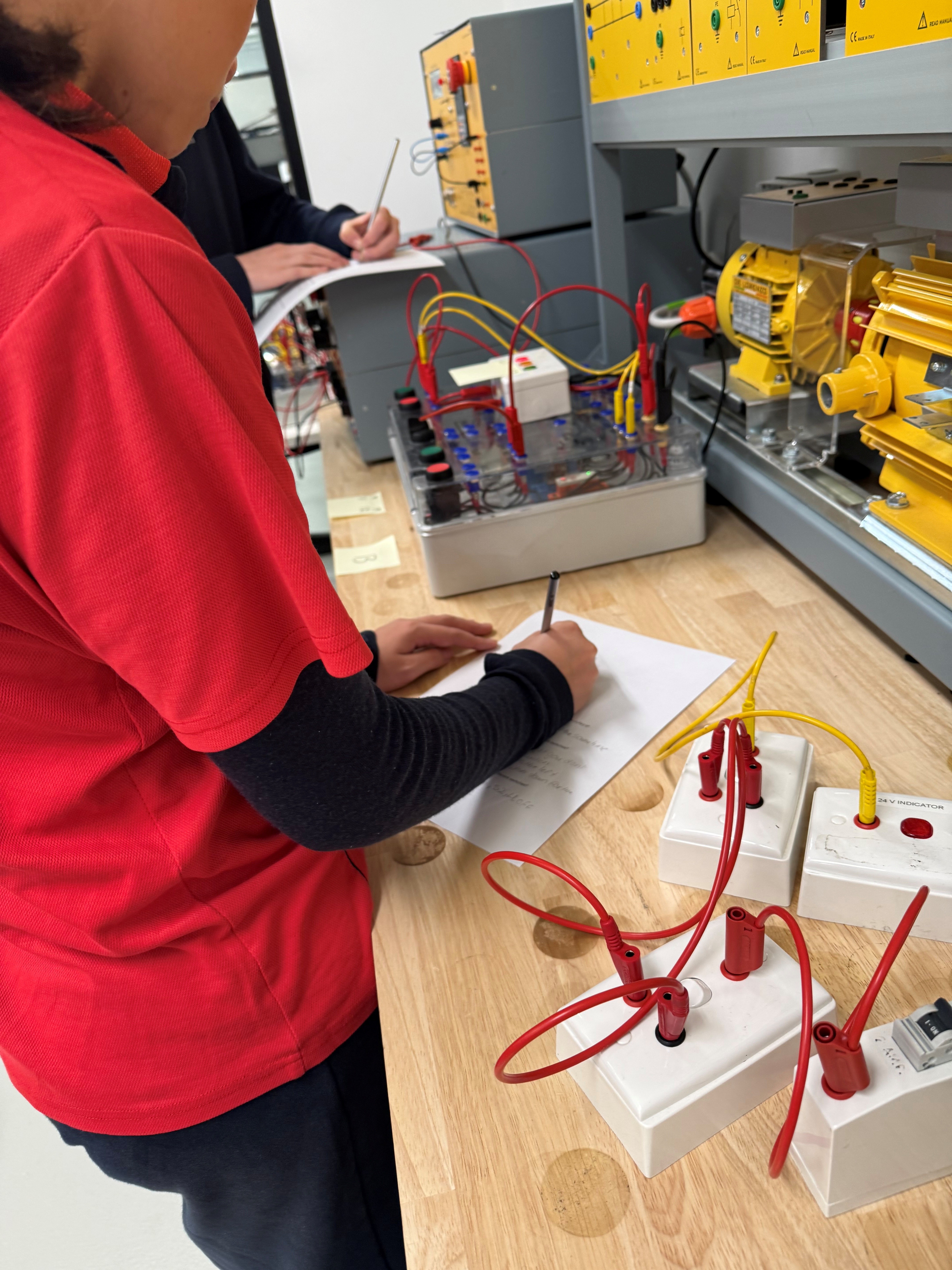
This year’s program continued the hands-on approach. TasTAFE gave students the opportunity to explore electrical wiring and fault finding, while TasNetworks brought programmable robots and iPads for a team challenge. In the north, students made ‘squishy circuits’ using plasticine and play dough for a creative exploration of how electricity flows.
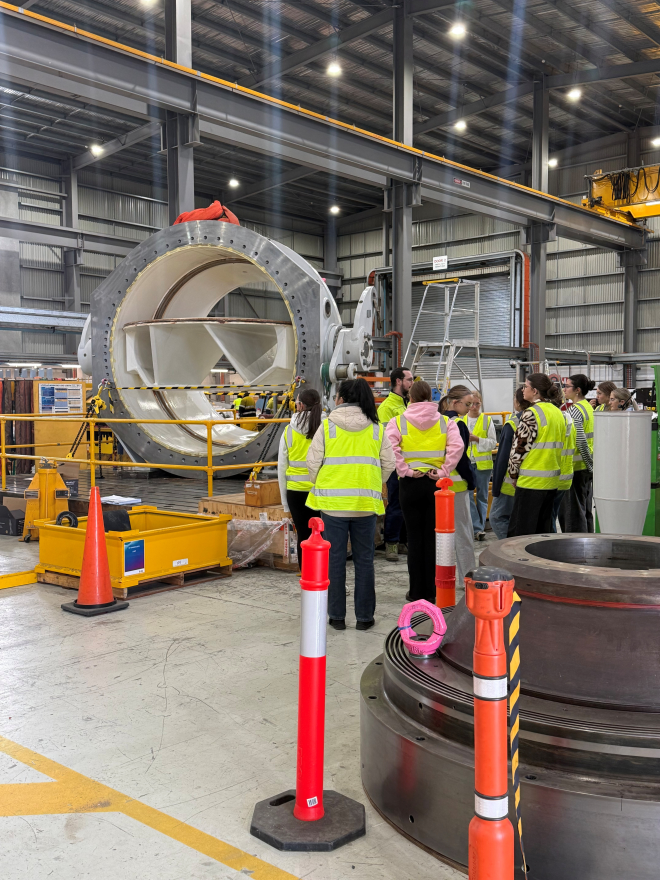
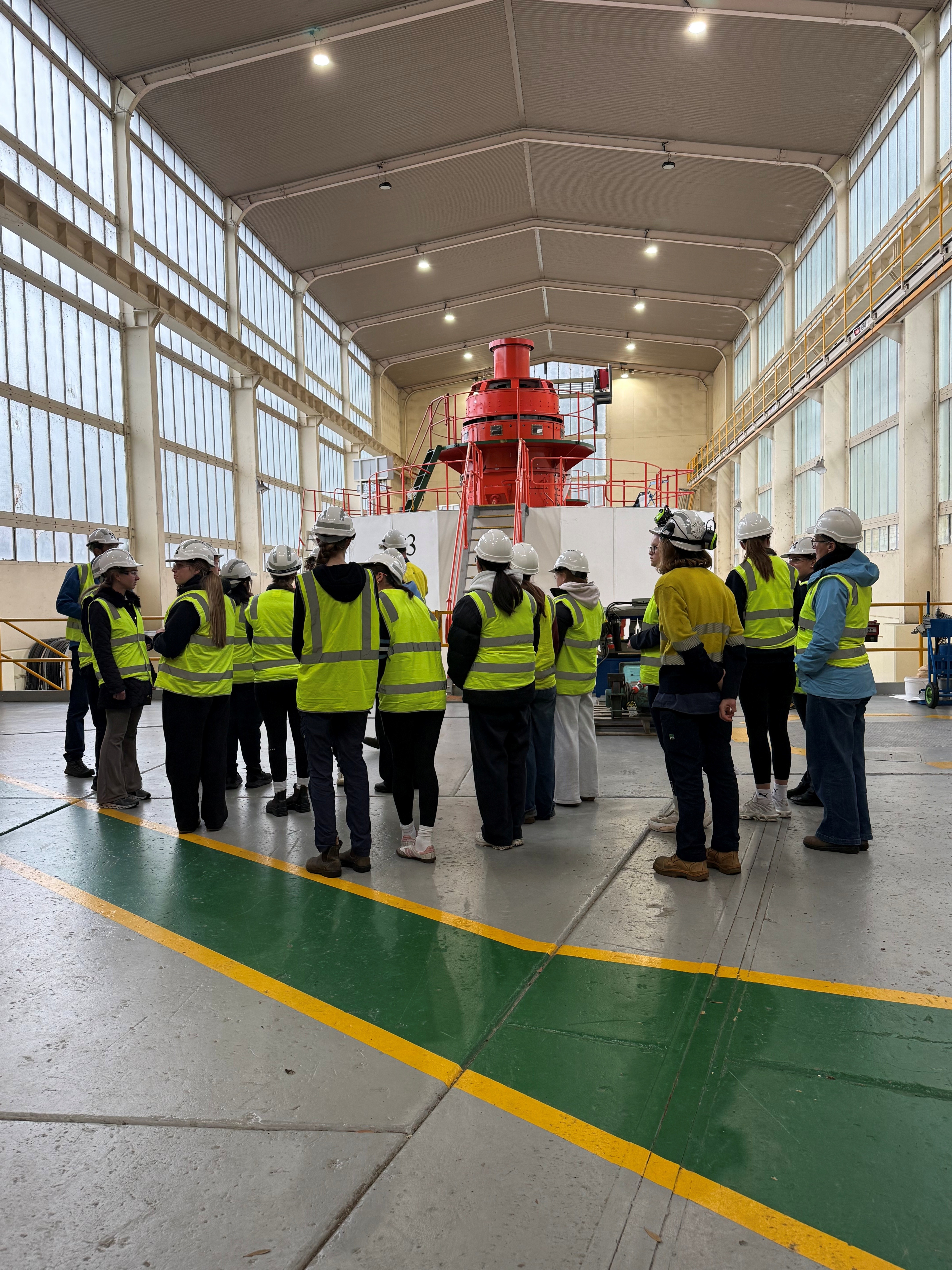
The girls visited operational Hydro Tasmania power stations (Trevallyn in the north, and Liapootah in the south), seeing the scale of Tasmania’s renewable energy infrastructure and the many different roles involved in keeping it running.
Speed-careering sessions (like speed dating) were a highlight, with students able to speak with women (and a man!) in a wide range of technical and professional roles across TasNetworks and Hydro Tasmania.
In Launceston, mechanical apprentice Sophie Britton spoke with students who were only a few years younger than her, sharing her pathway from school into the industry, what the application and interview process was like, and what her days look like as a new apprentice at Hydro Tasmania.
“It was really great to see so many girls interested in what happens at Hydro Tasmania,” said Sophie. “The program is an excellent way for school girls to understand what goes on behind the scenes across so many different fields of work.”
Students also heard from women including area coordinator Leah Powell and graduate environmental officer Laura Hobbs.
“It felt incredibly meaningful to help the girls see that there are so many exciting pathways and options in the energy sector, even if areas like engineering or apprenticeships don’t spark their interest,” said Laura.
“Being able to share what I do and the passion I have for my career and then seeing the girls light up, ask questions, and genuinely engage really highlighted how important visibility through the Girls in Power program is!”
Leah gave the girls some advice that has made a difference in her career journey:
“If any opportunity arises for you to develop, grasp it with both hands, be inquisitive, and roll with it. If it doesn’t work out, park that as a chapter and move on. This is how you get to find out whether something is right for you or isn’t. You’ve just got to push that imposter syndrome to the side and give it your all, because at the end of the day you’re your own best advocate.”
Curiosity and confidence
Students described enjoying the chance to learn how renewable energy is generated, see how rapidly the sector is changing, and discover opportunities they hadn’t considered before.
Hydro Tasmania Education Adviser and former classroom teacher Steph McGovern, along with Hayley Crichton, Talent and Early Careers Partner, facilitated this year’s sessions alongside colleagues from TasTAFE and TasNetworks. They said that the girls were wowed by the scale of the power stations and excited by the breadth of career opportunities they heard about – when many had initially thought only of electricians and electrical engineers.
Steph was struck by the practical concerns the girls raised, including whether they would be physically strong enough for some roles and whether workplaces would have adequate facilities for women.
“It was great to have women from both our technical and professional streams able to reassure the girls about the inclusivity of their potential future working conditions,” said Steph. “The culture has evolved over the generations as more women have entered the industry.
“The girls were really interested in hearing from women in the industry about their pathways, especially when things had not always gone according to plan, how they pivoted, and what they learned along the way,” said Steph.
Building Tasmania’s future workforce
For Hydro Tasmania, the program is also about the long game. Tasmania’s renewable energy future will rely on a skilled, diverse workforce, not only in engineering and trade roles but across water and environment, digital and data, finance, project delivery and many other specialisations. Girls in Power shows students that a career in energy can take many forms and that they belong in these spaces.
As this year’s participants head back to school, they take with them more than a memorable excursion. They leave with a clearer picture of how Tasmania’s renewable energy system works, a better understanding of the people and skills behind it, and a stronger sense that they can be part of our energy future too.
*Powering Skills Organisation / Jobs and Skills Council Energy, Gas and Renewables, Shifting Currents: Elevating Diversity in Energy Careers 2024