


Lake Burbury goes cray-cray!
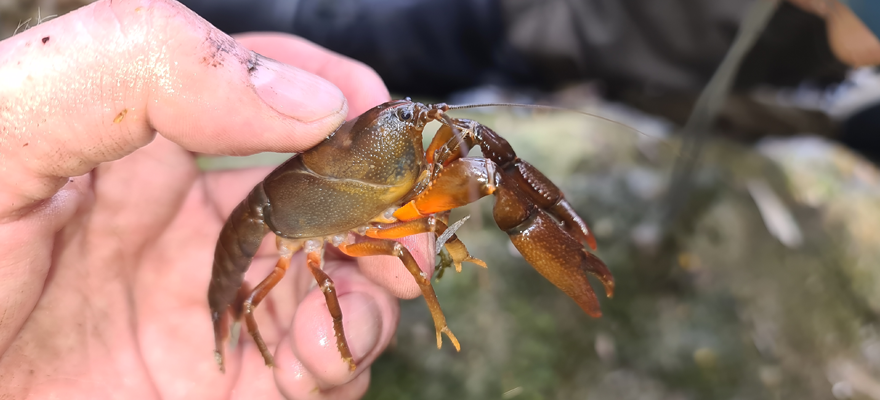
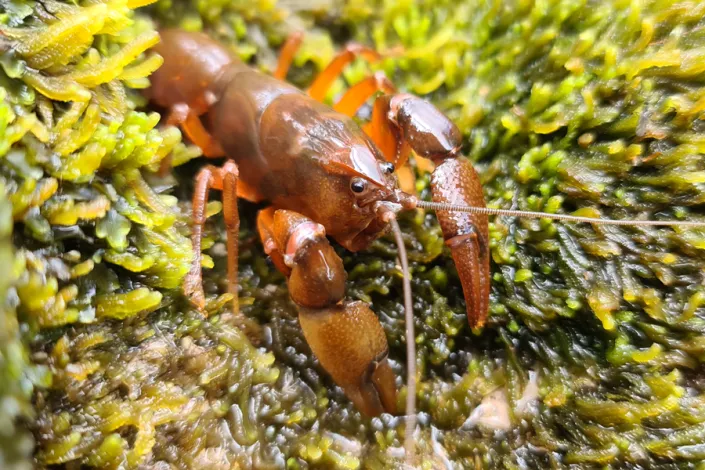
Not deterred by recent global chaos, the thought-to-be-extinct short-tailed rain crayfish (Ombrastacoides Parvicaudatus), has recently made its presence known near Lake Burbury. Its emergence from the depths of its little burrow is a timely reminder of the delights of the natural world and the importance in preserving them for the next generation.
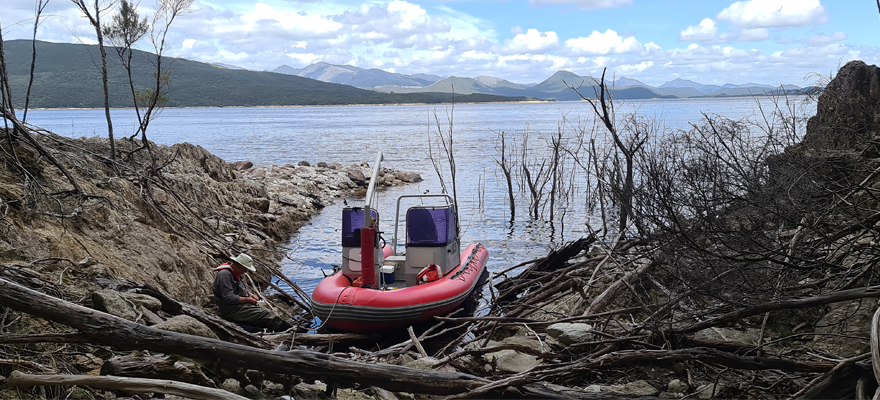
Lake Burbury rests in the ruggedly pristine region of western Tasmania, near Queenstown. The lake was formed in 1991 as part of the King Hydroelectric Scheme and the area is a known habitat for several endemic Tasmanian crayfish species.
The short-tailed rain crayfish was first identified during surveys of the King River Valley in the ‘70s and ‘80s, but was not recognised as a separate species until 2009. Despite two subsequent surveys, it had not been recorded since. Little did we know it had simply gone into lockdown with the rest of the planet!
In November 2020, our team engaged environmental consultants ECOtas for new survey work, joined in the field by our engineering consultancy Entura, which found six crayfish species at a range of sites around Lake Burbury, including the short-tailed rain crayfish.
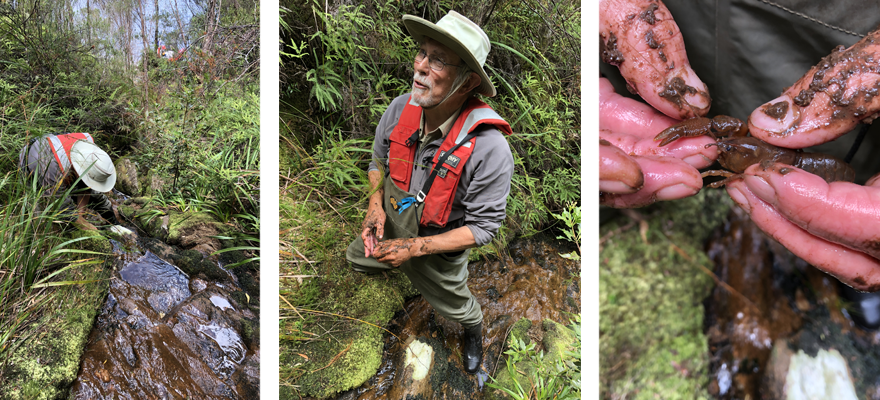
ECOtas’ Associate Professor Alastair Richardson, formerly of the UTAS School of Natural Sciences, is a renowned crayfish expert who has spent decades studying them. “So little is known about the short-tailed rain crayfish, it’s been difficult to make a determination on its status when for many years we were not even sure it was a separate species. But we knew their preferred habitat and remarkably, within just 10 minutes of mooring our boat at our very first target site we found our first specimen and we then later discovered a female carrying eggs, which is very encouraging. And what’s more, DNA analysis has confirmed our earlier decision to recognise this species.”
Our Environmental Scientist Bec Sheldon said that as Australia’s largest water manager, it is essential the business has a thorough understanding of the environments it operates in. “This field work has emerged from our review of the King and Yolande catchments, which has improved our understanding of the lakes and waterways we use to generate renewable energy, so they can be managed sustainably for everybody’s benefit”.
Finding this species alive and well is great news and demonstrates that our storage lakes are still functioning ecosystems in their own right.
Welcome to the bright side Ombrastacoides Parvicaudatus, it’s great to have you back!