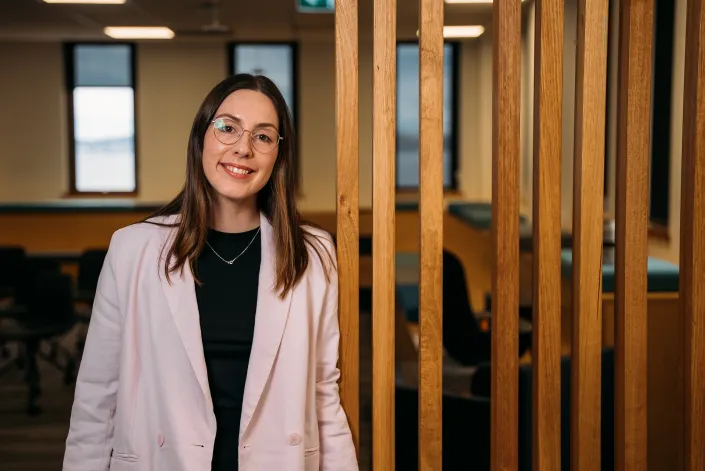



Spreadsheets are just the start: what a career in finance really looks like
We sat down with her to learn more about her journey, the skills that helped her succeed, and the advice she has for those just starting out.
Emily’s career in finance began even before she finished university. While studying for her degree in Business Accounting and Management, she spent two years working in public accounting, balancing her studies with real-world experience. After graduating, she accepted a spot in the Graduate Program at Hydro Tasmania, which turned out to be a pivotal moment that would shape her future.
“The graduate program gave me exposure to accounting in a unique and complex business. This experience was invaluable, and I was lucky enough to secure a permanent role from it.”
Since then, Emily has worked in management accounting, serving as a finance business partner to multiple business units. Recently, she stepped into a new role as Management Accounting Lead, taking on the Assets & Infrastructure portfolio (the biggest portfolio we have!).
Growing up in a small family business, finance was always in the background of Emily’s life. “Being around that environment was a big driver for choosing accounting,” she says.
“I also really enjoyed accounting in college. Accounting tests in school always had a clear answer, unlike subjects that were more interpretive.”
However, as her career evolved, so did her perspective.
“Now I see that finance isn’t always black and white. There’s a lot of analysis, interpretation, and judgement involved. It’s challenged me in good ways.”
Emily has just sat her final CPA (Certified Practising Accountant) exam this month, with strong support from Hydro Tasmania, who’ve provided both study leave and financial assistance to help her reach her goal.
So what does it take to thrive in a finance role like Emily’s?
Financial modelling and analytical skills are essential. With a portfolio that often includes complex projects and sensitive information, adaptability and integrity are key. A typical day involves everything from reporting and business case analysis to project meetings and leadership discussions.
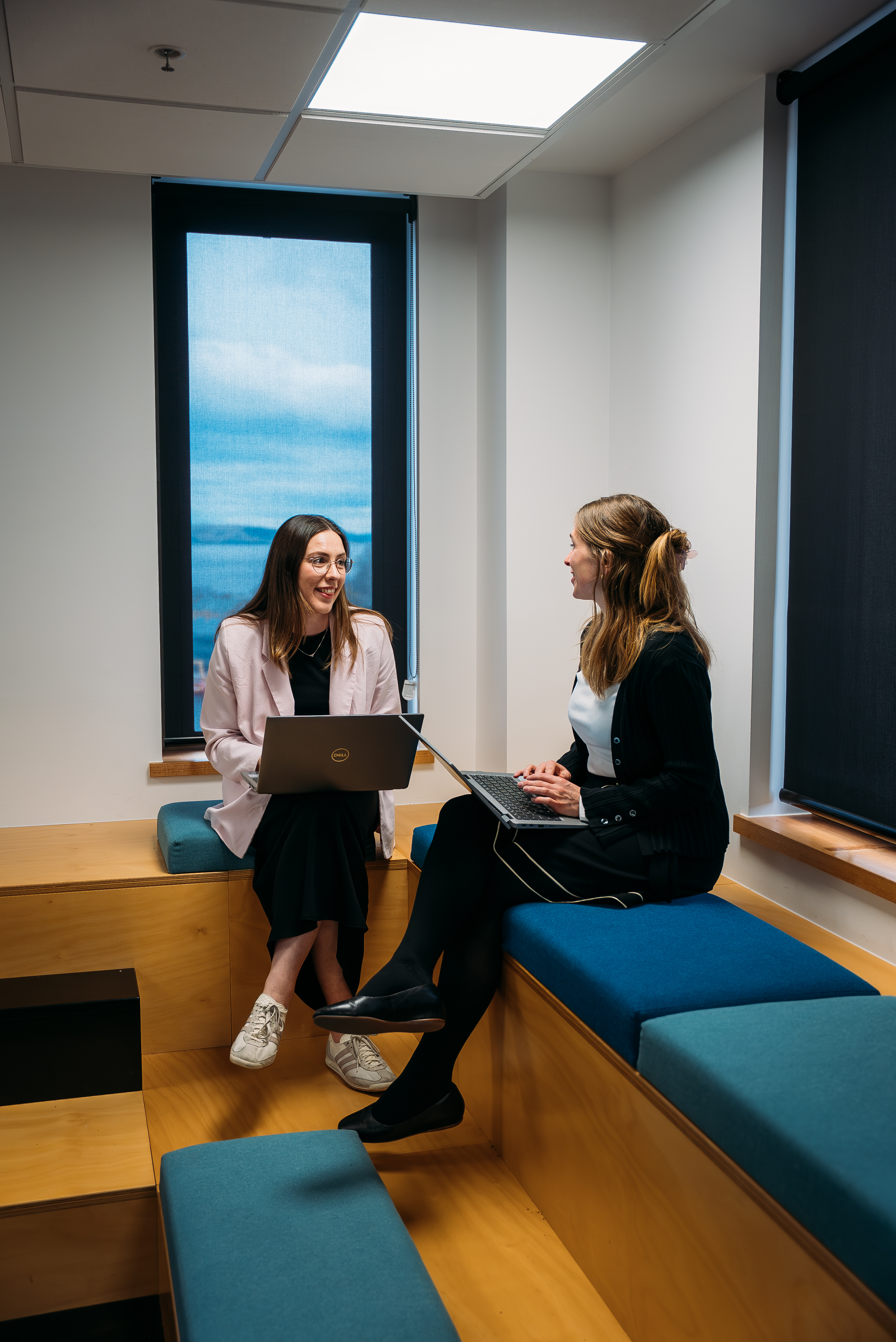
“I actually spend a lot of time away from my desk meeting with colleagues from across the business. People are always surprised that I don’t sit behind a screen all day!”
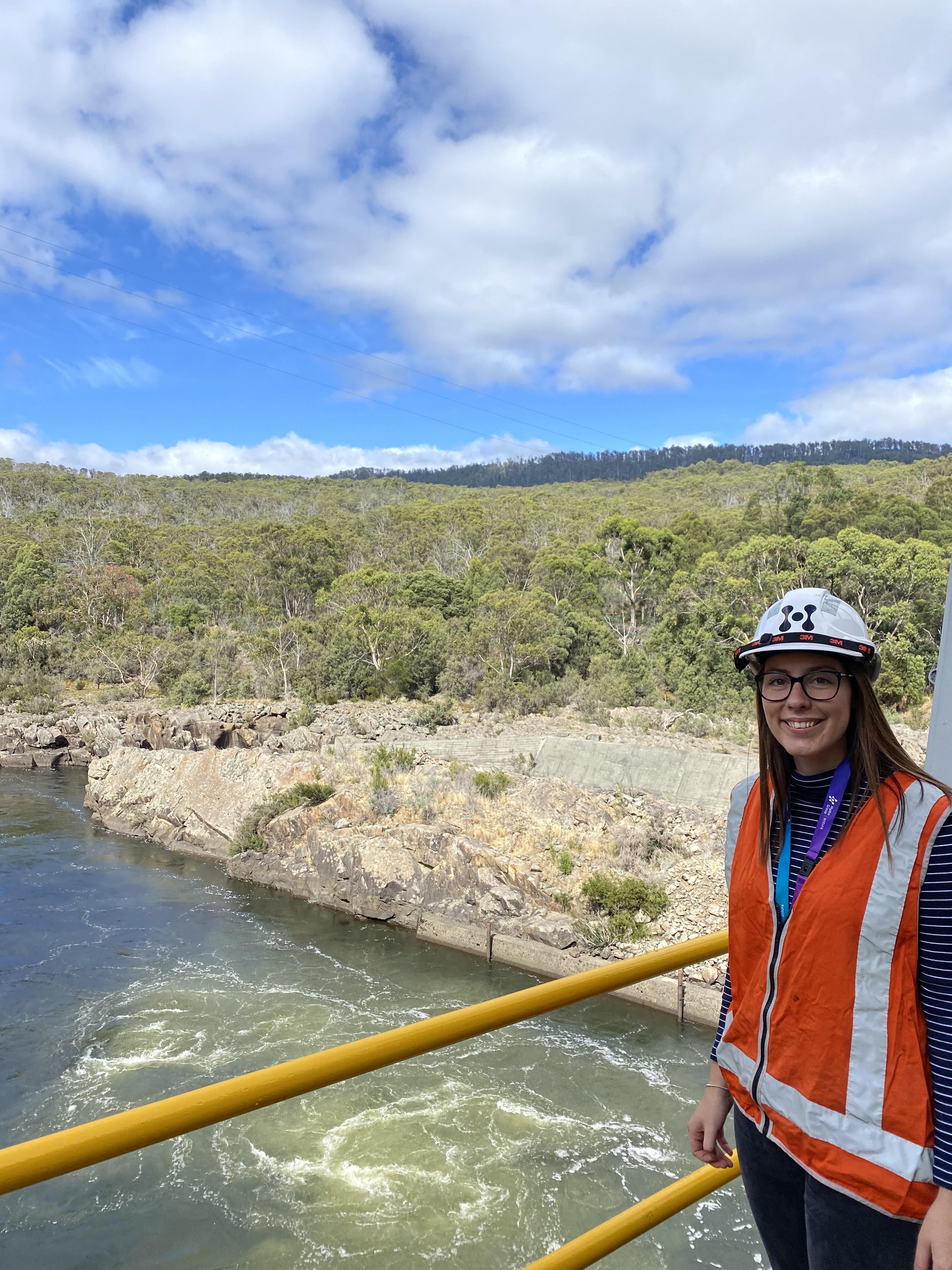
Emily’s also involved in a major project to replace Hydro Tasmania’s budgeting, forecasting, and reporting system. “It’s been a chance to rethink how the organisation makes financial decisions and make a real difference.”
Looking at the future of the industry, Emily believes Artificial Intelligence will be a game changer in finance.
“AI is going to help transform raw data into more accessible, readable outputs. But we’ll still need people to interpret and turn information into actionable insights.”
She’s also keen to challenge a common misconception: that finance is just about cutting costs.
“Our role is actually to partner with the business. We help leaders make informed decisions that support long-term success.”
For those just starting out, Emily’s advice is to be curious and ask questions.
“It’s not just about understanding the numbers, it’s about understanding the story behind them. That’s how you add real value.”
When asked what most people get wrong about her job, Emily smiles. “There’s still that stereotype of accountants as number crunchers stuck behind a screen. But honestly, I spend most of my time talking to people and working through problems collaboratively.”
If she weren’t in finance? “I’d love something that lets me travel such as tourism or events. Or even working abroad.”
And when it’s time to relax, Emily stays active. “Netball, Pilates or going for walks is how I clear my head and recharge, especially after a busy financial period.”
Emily’s journey is a powerful example of how a career in finance can be anything but static. From early influences to leadership roles, she’s embraced every challenge and opportunity with curiosity, confidence, and a commitment to growth.