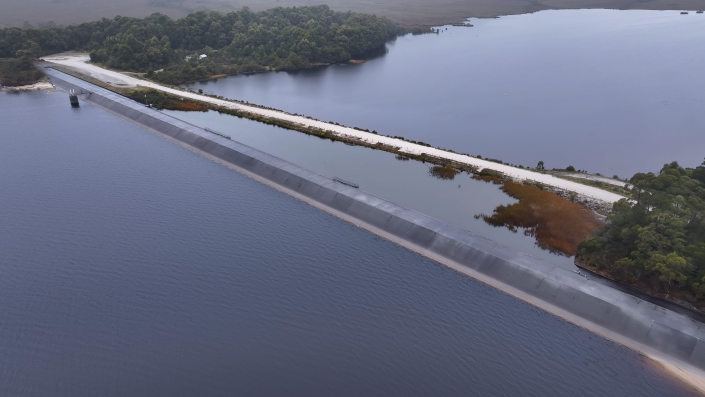



Work begins on Edgar Dam upgrade project
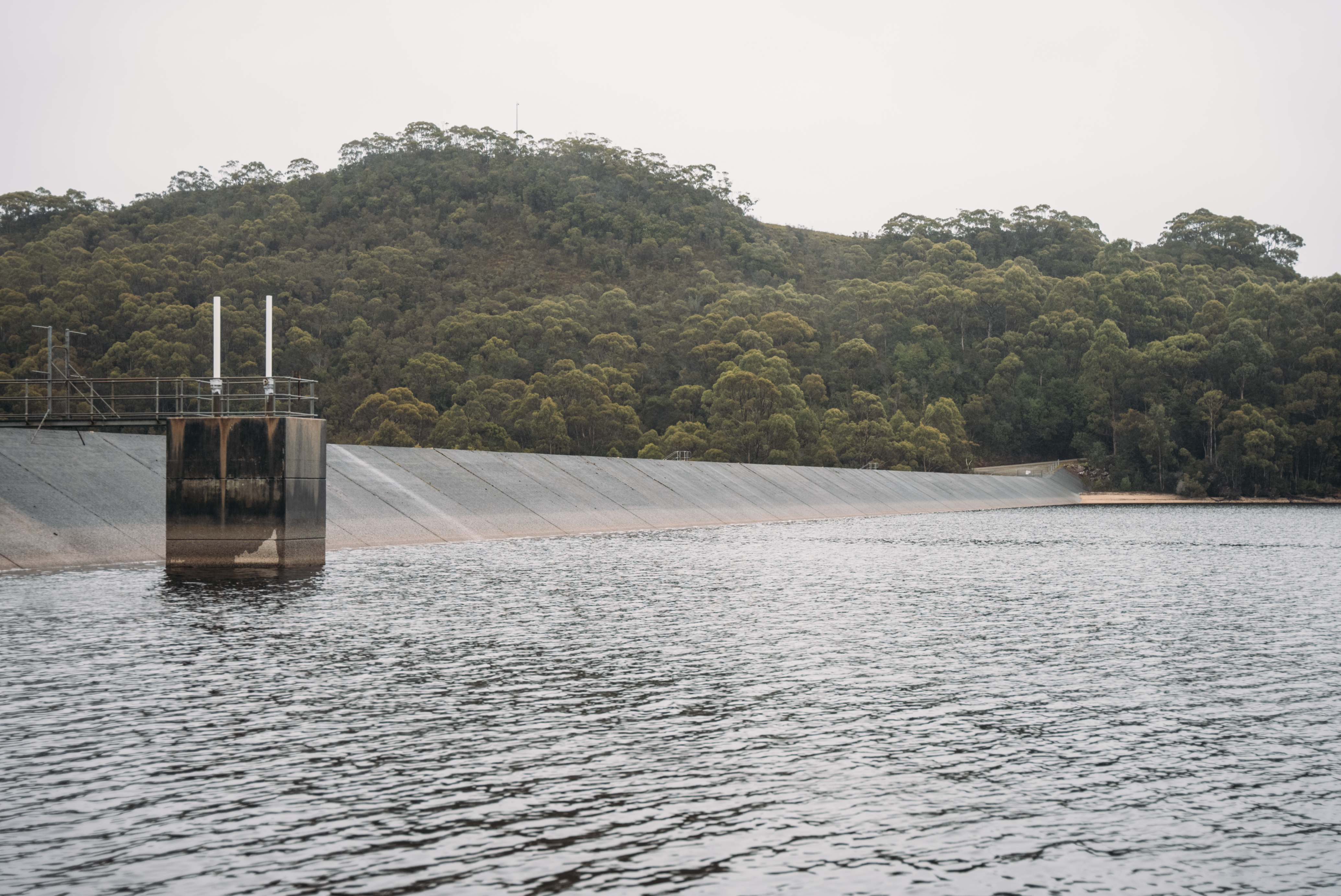
Built in 1972, Edgar Dam is part of the mighty Gordon-Pedder hydropower scheme which provides up to 13 per cent of Tasmania’s power. It is the largest water storage in Australia and its inter-seasonal capacity helps drought-proof the state’s energy system!
Preliminary works include clearing regrowth vegetation from the site and establishing a site office and accommodation for staff. Cleared areas will be revegetated at the end of the project.
Hydro Tasmania contracted Tasmanian civil construction company Hall Earthmoving to upgrade the Edgar Dam. Hall Earthmoving will work in partnership with FINN Environmental, Hydro Tasmania and its consulting business Entura to ensure environmental protection measures are met.
Hall Earthmoving Director Chris Hall said there was a lot of preparation to do before work on the dam can begin.
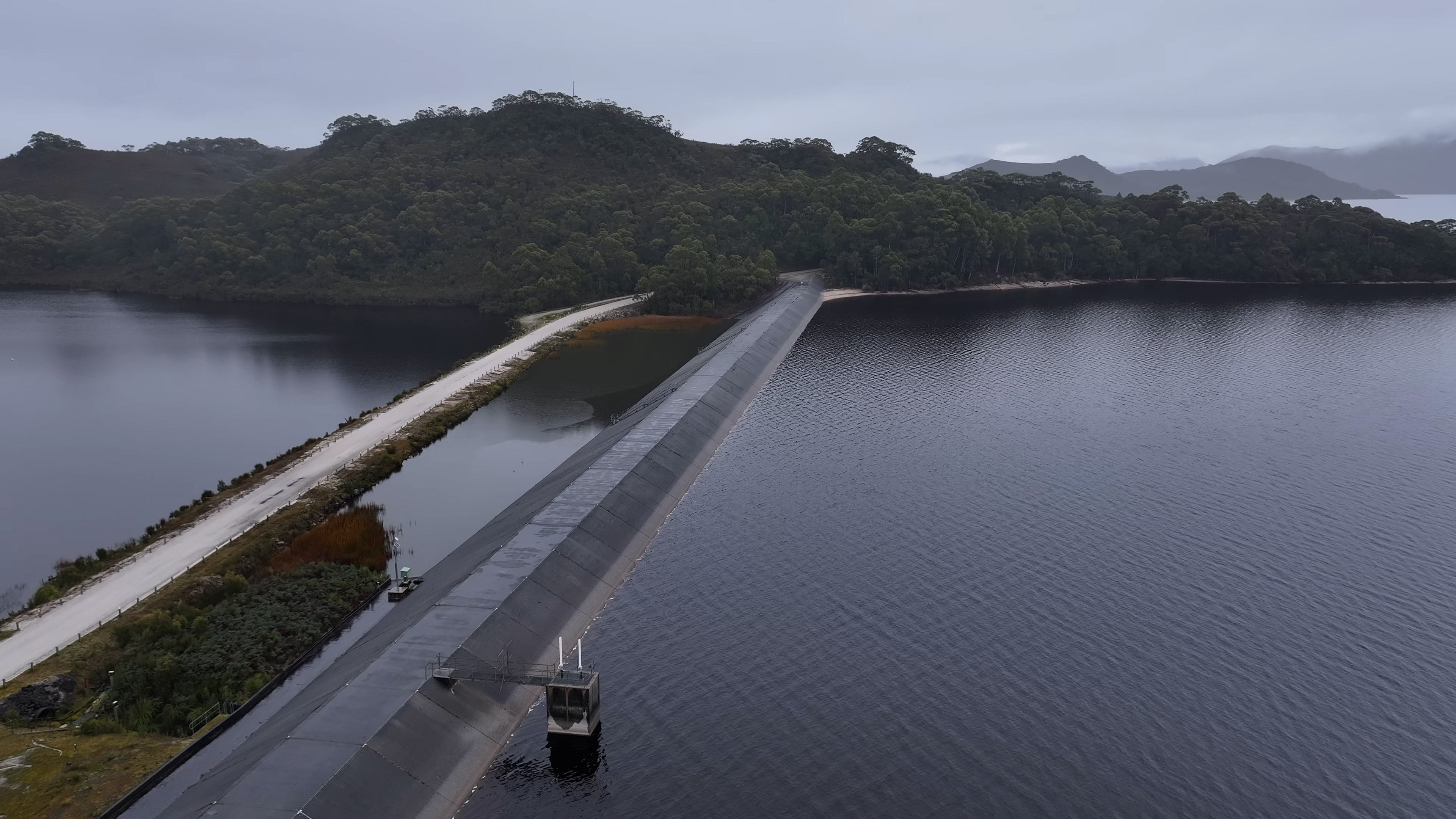
“It’s been a busy few weeks on site but we’re feeling really good about the progress we’ve made,” said Chris. “This is a huge project for us and we’re really looking forward to getting started on the dam works.”
With the project site located in a World Heritage Area, stringent environmental protections have been put in place. The project team will be living on site in a 28-person remote camp built inside the existing Edgar Dam Campground. This will minimise the number of vehicle trips in and out of the site.
Hydro Tasmania’s Executive General Manager of Assets and Infrastructure said several wash bays will be built for the project to ensure vehicles don’t carry in weeds or seeds.
“Working in a World Heritage Area we have to be extremely careful while working. We have a highly experienced team on this project and we’ve put strict protective measures in place,” said Jesse. “Construction of the first biosecurity washdown facility is progressing well and the team is expecting to start work on pouring the concrete footing and slab soon.”
Offsite, final material selections are underway in preparation for placement trials. In these trials, the team will build a test section of the filter buttress, layering sand, gravel and rockfill materials. This allows the team to simulate the construction approach and make any final adjustments.
Another exciting piece of work is the casting of the new wave wall segments, which is expected to start soon.
The project is expected to be completed in mid-late 2026.