


Solving the problem of storage in the transitioning energy market
According to the Australian Energy Market Operator, the National Electricity Market (NEM) needs a 17-fold increase in storage capacity by 2050, or 61 GW. Pumped hydro will be a critical part of this technology mix, providing the firming capacity and flexibility to manage fluctuations in demand and keep power supply reliable.
Why Cethana is perfect for pumped hydro
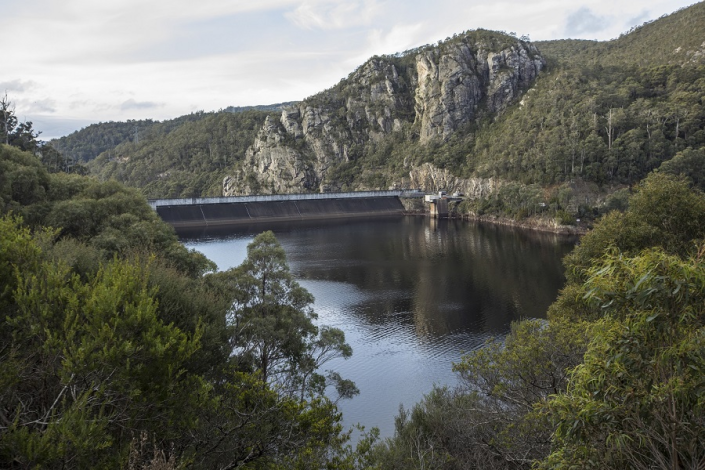
The Cethana pumped hydro project is a flagship project of our Battery of the Nation vision and represents one of the most cost-effective pumped hydro projects currently being proposed in the national electricity market.
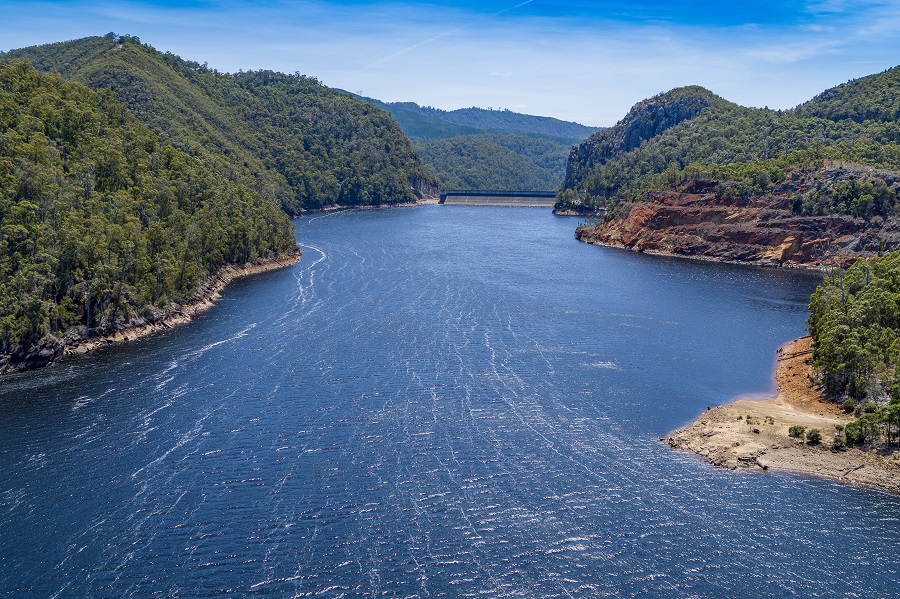
The unique characteristics of Cethana make it a front-runner for pumped hydro and highly cost competitive:
- High elevation of the upper storage
- Short distance between upper and lower storages
- Proximity to existing transmission
- Utilisation of existing hydro infrastructure for the lower storage
- 750MW capacity
- 20 hours’ storage duration.
The elevation (drop) between the upper and lower storage together with the short distance between the storages mean the Cethana project can be highly efficient, with a minimum cycle efficiency of ~76.4%.
Pumped hydro or batteries?
It’s not a situation of one or the other when it comes to long-duration pumped hydro and battery storage. The NEM will need both to meet the demand for storage and provide security as the grid transitions to renewables.
Cost-effective long-duration storage is the key to achieving the
Australian Government’s target of 82% renewable energy
in the national electricity market by 2030.
There are several advantages with pumped hydro, including greater storage capacity and longer life of infrastructure.
Pumped hydro at Cethana would be capable of providing about 20 hours of storage – far greater than even the most advanced battery storage systems in the market today. This would complement Hydro Tasmania's existing portfolio which can provide days and weeks of energy storage. When the inevitable happens and a combination of factors impact the NEM at the same time - such as outages and low wind and solar output - deep storage will be critical to generate for many hours, days and even weeks. This is a job that batteries alone can’t do.
Pumped hydro infrastructure also lasts many decades longer than batteries, which require careful disposal at their end of life.
There’s no getting around the fact that pumped hydro projects are big and complex. But given the benefits of pumped hydro, the characteristics of the Cethana site, our long heritage of building and managing hydropower systems and the electricity market need, we believe it’s a project well worth pursuing.
Find out more about the critical role of pumped hydro.
What’s next?
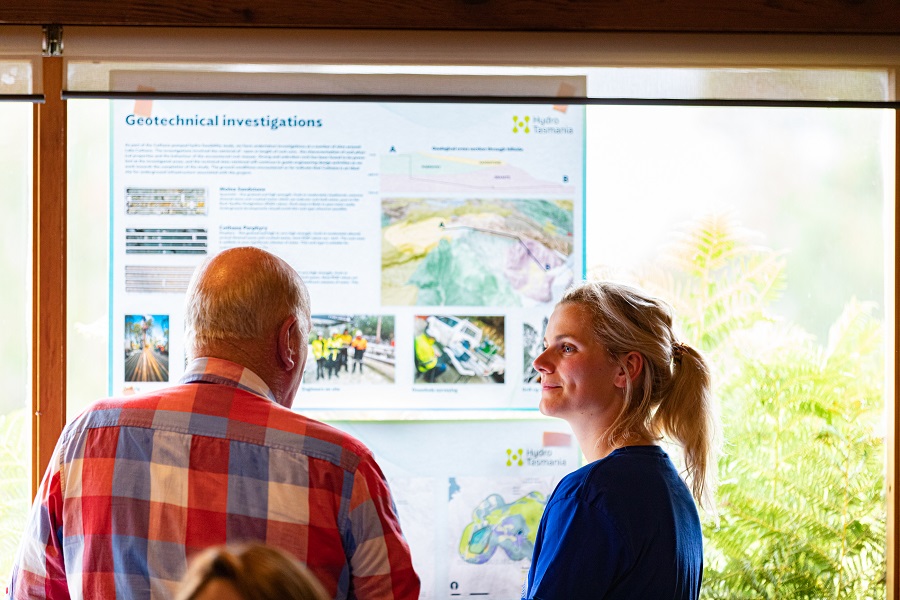
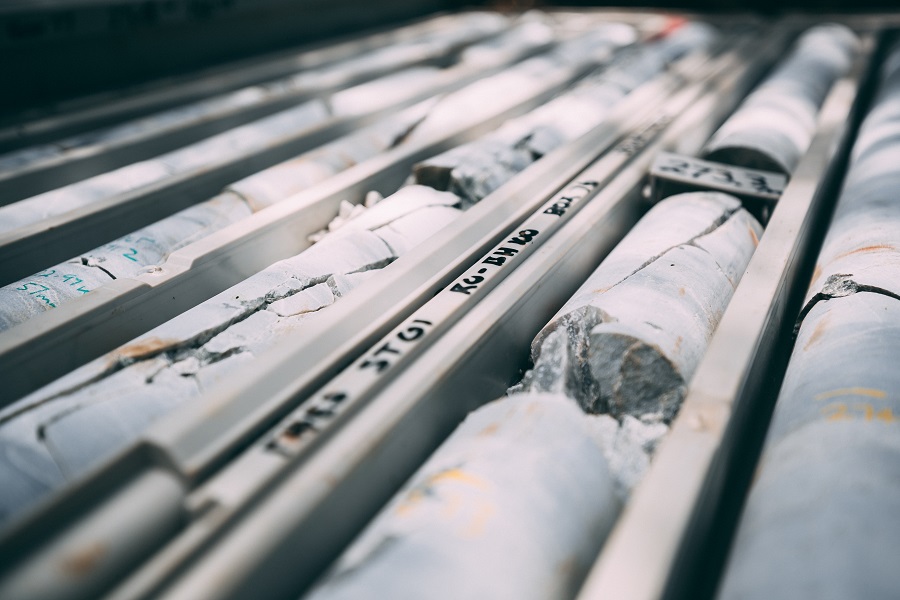
We’re progressing work on the next stage, including developing a preliminary business case, advancing environmental approvals, completing geotechnical investigations and engaging with the local community and stakeholders.
Ultimately, the detailed final business case will determine whether the investment stacks up with and without additional interconnection. The project must be economically feasible and deliver benefits to Tasmania to reach a positive investment decision (currently planned for mid 2025) and then progress to construction.