


Hydro Tasmania launches tenth year of community grants
Hydro Tasmania is pleased to launch its 2026 Community Grants Program, helping groups across Tasmania to create positive change in their communities.
Community organisations can apply for up to $5,000 in funding for their projects.
Hydro Tasmania Executive General Manager Corporate Affairs Ruth Groom said the business was proud to be launching the tenth year of its Community Grants program.
“We are so pleased to offer funding to assist Tasmanian organisations working to make their communities a better place,” said Ms Groom.
“Over the last decade, Hydro Tasmania has provided more than $450,000 in funding to over 90 organisations across the State. We encourage groups to apply and share their projects with us.”
Hydro Tasmania’s Community Grants have supported groups working in a wide range of areas, including education, health, social justice, environment, animal welfare, the arts, sports and recreation, and youth development.
Last year, the Tasmanian Transport Museum, a not-for-profit preserving Tasmania’s transport history, received more than $4,000 to purchase essential maintenance equipment and a large shed to store tools and machinery.
Tasmanian Transport Museum President Jeff Bronstein said the funding from Hydro Tasmania had been instrumental in supporting the museum’s work preserving Tasmania’s transport history.
“Previously, volunteers would often need to use their own equipment and vehicles to get jobs done,” Mr Bronstein said. “The grant supports our volunteers by providing them with the tools they need to work safely and effectively.”
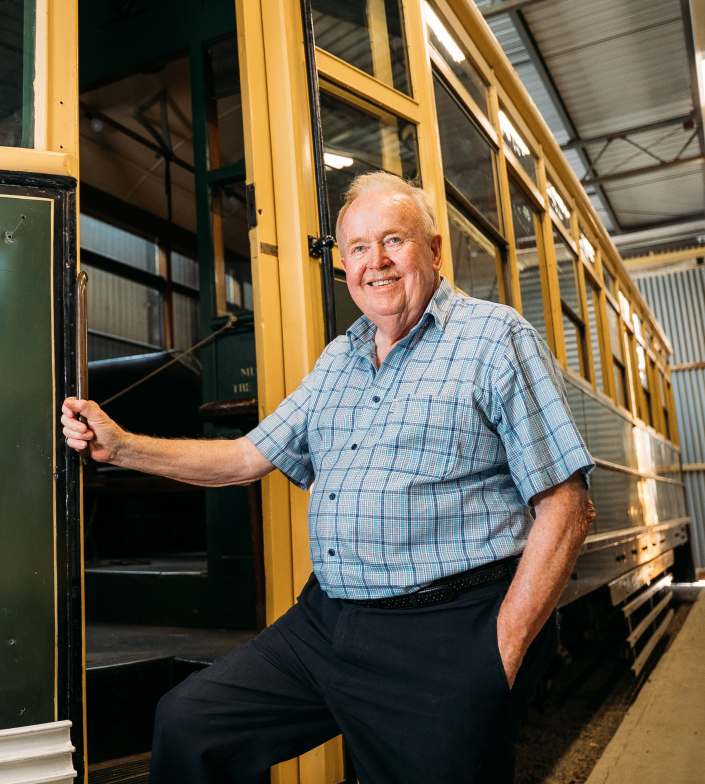
One such volunteer is Tasmanian Transport Museum Treasurer Rod Prince, who has given his time to the museum for almost 20 years. “I think I’m part of the furniture now – I’ve been volunteering every Tuesday since 2008,” said Mr Prince.
He is passionate about preserving decades of Tasmanian history that would otherwise be forgotten.
“The 1960s was an era when transport changed, electric trams disappeared in September 1960 and trolly buses finished in November 1968.”
The Museum recently recorded its busiest January on record, welcoming more than 1,100 visitors through its doors, and has big goals for the future, including extending its rail service further along the historic rail line.
“Visitors don’t just observe history at the museum – they experience it. Living museums like ours offer something special,” Mr Bronstein said.
“People can ride the trains, step aboard the buses and really connect with Tasmania’s past.”
To learn more about Hydro Tasmania’s Community Grants Program, visit: www.hydro.com.au/community-grants
Please note: 2026 Community Grant applications have now closed.